

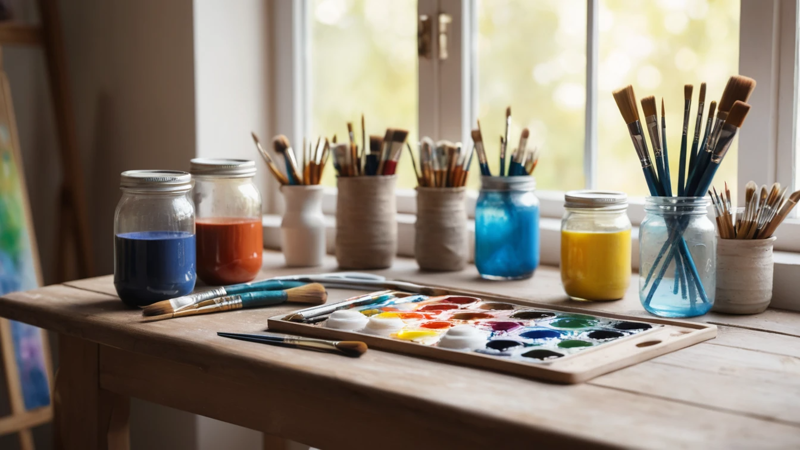
Beginner’s Guide to Painting Tools & Techniques that explains brushes, paints, surfaces, and simple methods to help you paint with confidence.
The beginner’s guide to painting tools and techniques explains the essential supplies, basic brush types, paint options, and simple methods beginners need. It helps new artists choose the right tools, avoid common mistakes, and build confidence while learning painting step by step.
Ever looked at a blank canvas and thought, “Where do I even start?” 🎨
If painting feels confusing or overwhelming, you’re not alone. This guide breaks everything down in simple steps so anyone can start painting with confidence.
Painting becomes easier when you understand the right tools and basic techniques. You don’t need expensive supplies or talent to begin. You just need the basics, a little practice, and the courage to start.
Beginner’s Guide to Painting Tools & Techniques 🎨
Painting is all about learning the tools and using simple techniques the right way. Once you know what each tool does, painting feels fun instead of frustrating. This guide walks you through everything beginners need, step by step, in plain language.
Understanding The Basics Of Painting 🖌️
Painting is a mix of creativity and simple skills. You apply color to a surface using tools like brushes or knives. Over time, you learn how colors, strokes, and textures work together.
Beginners often think painting is about talent. It’s really about practice and patience. Every painter starts with messy lines and uneven colors.
Painting also helps you relax and express ideas visually. There’s no “right” or “wrong” at the start. The goal is learning and enjoying the process.
Different Types Of Painting Mediums 🎨
A painting medium is the type of paint you use. Each medium behaves differently and suits different styles. Choosing the right one makes learning easier.
Here are the most beginner-friendly options:
- Acrylic paints – Fast-drying and easy to control
- Watercolors – Soft, transparent, and forgiving
- Oil paints – Rich colors but slow drying
Acrylics are best for beginners because they’re affordable and versatile. Watercolors are great if you enjoy light, flowing effects.
Essential Painting Tools Every Beginner Needs 🧰
You don’t need a full art store to begin. A few basic tools are enough to start painting confidently. Buying too much early can feel overwhelming.
Here’s what beginners should focus on:
- Paints in basic colors
- A small set of brushes
- A painting surface
- A palette for mixing
Starting simple helps you learn faster. As skills grow, you can add more tools later without pressure.
Types Of Paint Brushes And Their Uses 🖌️
Brushes come in different shapes and sizes. Each shape creates a different stroke and texture. Learning brush basics saves a lot of frustration.
Common brush types include:
- Flat brushes for bold strokes
- Round brushes for detail work
- Fan brushes for blending and textures
Soft brushes work well with watercolors. Firm brushes are better for acrylic and oil paints. Clean brushes last longer and perform better.
Common Brush Types And Uses
| Brush Type | Best Use | Beginner Friendly |
| Flat | Broad strokes, edges | Yes |
| Round | Lines, details | Yes |
| Fan | Blending, texture | Optional |
Choosing The Right Paint For Beginners 🎨
Paint quality affects how easy painting feels. Cheap paints can feel stiff and dull. Student-grade paints are a good balance for beginners.
Acrylic paints are the most forgiving. They dry quickly and layer well. Mistakes can be painted over easily.
Watercolors require lighter pressure and patience. Oils need more time and ventilation. Start with what feels least stressful.
Painting Surfaces Explained 🖼️
The surface you paint on matters more than beginners expect. Different surfaces absorb paint differently. Choosing the right one helps your paint look better.
Common beginner surfaces include:
- Canvas panels
- Canvas paper
- Watercolor paper
Canvas panels are sturdy and affordable. Paper works well for practice and learning techniques without pressure.
Understanding Color Theory Made Simple 🌈
Color theory sounds complex, but the basics are easy. Colors interact with each other in predictable ways. Learning this saves paint and frustration.
Primary colors mix to create everything else. Warm colors feel energetic. Cool colors feel calm.
Understanding color harmony helps paintings look balanced. With practice, color mixing becomes natural and fun.
Basic Color Mixing Guide
| Color Mix | Result |
| Red + Yellow | Orange |
| Blue + Yellow | Green |
| Red + Blue | Purple |
Basic Painting Techniques For Beginners ✨
Techniques are how you apply paint. Beginners should start with simple methods that build confidence. Fancy techniques come later.
Start with:
- Dry brushing for texture
- Layering for depth
- Blending for smooth transitions
Practice each technique slowly. Focus on control, not speed. Improvement comes with repetition.
How To Hold And Control A Paint Brush 🖐️
Holding a brush correctly improves control. Grip it lightly, not tightly. A tight grip causes stiff strokes.
Hold the brush closer to the end for loose strokes. Hold it near the ferrule for details. Adjust as needed while painting.
Relaxed hands create smoother lines. Take breaks to avoid hand fatigue during long sessions.
Setting Up Your Painting Workspace 🏡
A good workspace helps you focus. It doesn’t need to be fancy or expensive. It just needs to be comfortable.
Choose a well-lit area with good airflow. Cover surfaces to avoid mess stress. Keep water and paper towels nearby.
A clean setup makes painting enjoyable. Less clutter means fewer distractions while learning.
Common Beginner Painting Mistakes To Avoid 🚫
Mistakes are part of learning, but some are easy to avoid. Knowing them early saves time and frustration. Every painter makes these mistakes at first.
Avoid:
- Using too much paint
- Skipping practice sketches
- Rushing drying time
Slow down and enjoy the process. Mistakes teach more than perfect results ever will.
Cleaning And Caring For Painting Tools 🧼
Clean tools last longer and work better. Dirty brushes lose shape quickly. This affects your painting quality.
Rinse brushes immediately after use. Use mild soap for deep cleaning. Lay brushes flat to dry.
Good care saves money and keeps tools reliable. Make cleaning part of your routine.
Simple Practice Exercises For Beginners 🧠
Practice builds confidence faster than talent. Short exercises help improve control and understanding. They also reduce fear of failure.
Try:
- Painting straight lines
- Mixing color charts
- Copying simple objects
Practice doesn’t need to be perfect. Progress matters more than results.
Easy Beginner Practice Ideas
| Exercise | Skill Built |
| Color Mixing | Color control |
| Brush Strokes | Hand control |
| Object Painting | Observation |
How To Improve Painting Skills Over Time 📈
Improvement happens slowly but steadily. Paint often, even for short sessions. Consistency matters more than long sessions.
Study simple artworks and recreate them. Learn from mistakes without judgment. Compare progress monthly, not daily.
Confidence grows with patience. Every painting teaches something new, even failed ones.
Building Confidence As A Beginner Painter 💪
Confidence comes from doing, not waiting. Many beginners delay starting because of fear. Starting imperfectly is better than not starting.
Celebrate small wins like cleaner lines or better blends. Share work only when ready. Paint for joy, not approval.
Confidence grows when you trust the process. Every artist starts as a beginner.
Conclusion 🎯
Painting doesn’t require talent, expensive tools, or perfection. It starts with understanding simple tools and basic techniques. With the right supplies, steady practice, and patience, anyone can learn to paint confidently and enjoy the creative journey.
FAQs ❓
What painting tools do beginners really need?
Beginners need basic paints, a few brushes, a surface, and a palette. Start simple and avoid buying too much. Add tools as skills grow.
Which painting technique is easiest to learn first?
Layering and dry brushing are easiest for beginners. They are forgiving and simple. These techniques build confidence quickly.
What type of paint is best for beginner artists?
Acrylic paint is best for beginners. It dries fast and is easy to control. Mistakes can be painted over easily.
How can beginners practice painting at home?
Practice simple exercises like brush strokes and color mixing. Paint everyday objects. Short daily practice works best.
How long does it take to get good at painting?
Progress depends on practice, not talent. Most beginners see improvement in weeks. Consistency matters more than speed.
Leave a Reply