

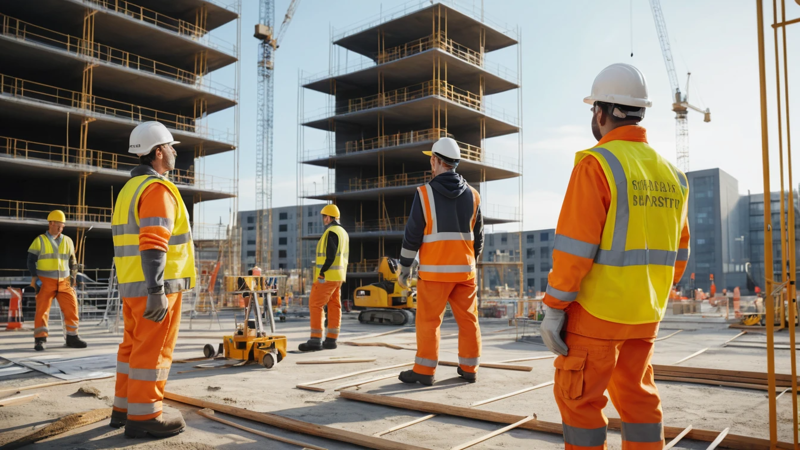
Essential safety equipment for construction sites explained clearly to help protect workers, reduce injuries, and stay compliant with jobsite safety standards.
Essential safety equipment for construction sites includes personal protective gear, fall protection, visibility tools, and emergency equipment. These items protect workers from injuries, improve productivity, and ensure compliance with safety regulations. Proper equipment use reduces accidents and creates a safer, more efficient jobsite.
Have you ever stopped to think how one small piece of safety gear can save a life on a construction site? 🤔
Construction work is tough, fast-moving, and full of risks. The right safety equipment isn’t optional—it’s critical for protecting workers and keeping projects on track.
Essential safety equipment for construction sites includes protective gear, fall protection systems, visibility tools, and emergency supplies. These tools reduce injuries, prevent accidents, and create a safer work environment. When used correctly, they protect lives and improve jobsite efficiency.
Essential Safety Equipment For Construction Sites 🦺
Understanding Construction Site Safety Basics 🏗️
Construction sites are busy places with moving equipment and heavy materials. Hazards can appear quickly and without warning. That’s why safety equipment is the first line of defense. It helps control risks before injuries happen.
Safety gear works best when paired with proper training and awareness. Workers must know why each item matters. When safety becomes a habit, accidents drop fast. A strong safety culture starts with the right equipment.
Why Safety Equipment Is Non-Negotiable 🚧
Construction injuries can lead to lost wages and serious health issues. Safety equipment reduces these risks significantly. It protects workers from falls, impacts, burns, and electrical hazards.
Employers also benefit from strong safety practices. Fewer injuries mean less downtime and lower insurance costs. A safe site builds trust and boosts morale. Everyone wins when safety comes first.
Head Protection: Hard Hats Explained 🪖
Hard hats protect workers from falling objects and head impacts. They are essential on almost every construction site. Even small debris can cause serious injuries without head protection.
Modern hard hats are lightweight and comfortable. Many include suspension systems for shock absorption. Some models also support face shields or hearing protection. Wearing them properly makes a big difference.
Eye And Face Protection Essentials 👀
Flying debris, dust, and chemicals threaten the eyes daily. Safety glasses and face shields protect against these hazards. Clear vision also helps workers stay alert and accurate.
Different tasks require different protection levels. Grinding needs full face shields, while cutting may only need safety glasses. Anti-fog lenses improve comfort and visibility. Proper fit ensures full coverage.
Hearing Protection On Loud Jobsites 🔊
Construction sites are noisy environments. Long-term noise exposure can cause permanent hearing loss. Earplugs and earmuffs reduce sound levels safely.
Choosing the right hearing protection matters. Some tasks require communication-friendly options. Reusable earplugs offer comfort for long shifts. Protecting hearing today prevents problems tomorrow.
High-Visibility Clothing For Awareness 👕
Visibility saves lives on busy jobsites. High-visibility vests and jackets help workers stand out. Bright colors and reflective strips improve awareness.
This equipment is critical near vehicles and heavy machinery. Poor visibility leads to accidents fast. Wearing hi-vis clothing keeps workers seen and safe. It’s a simple but powerful tool.
Foot Protection And Safety Boots 👢
Feet face constant danger from heavy objects and sharp debris. Safety boots protect against crushing and punctures. Slip-resistant soles reduce fall risks.
Steel-toe and composite-toe boots offer strong protection. Waterproof options help in wet conditions. Proper ankle support improves stability. Comfortable boots also reduce fatigue.
Hand Protection With Proper Gloves 🧤
Hands handle tools, materials, and machinery all day. Gloves protect against cuts, burns, and chemicals. Different tasks need different glove types.
Leather gloves work well for heavy materials. Rubber gloves protect against liquids. Cut-resistant gloves improve safety during sharp work. Choosing the right pair improves grip and control.
Respiratory Protection And Air Safety 😷
Dust, fumes, and chemicals can harm lungs. Respirators and masks filter harmful particles. Clean air keeps workers healthy and alert.
Some jobs need simple dust masks. Others require full respirators with cartridges. Proper fit testing is crucial. Breathing protection is often overlooked but extremely important.
Common Respiratory Equipment And Uses
| Equipment Type | Best Used For | Key Benefit |
| Dust Masks | Light debris | Easy breathing |
| Half-Face Respirators | Fumes | Better filtration |
| Full-Face Respirators | Chemicals | Full protection |
Fall Protection Systems Save Lives 🧗
Falls are a leading cause of construction injuries. Fall protection systems prevent serious accidents. Harnesses, lanyards, and guardrails are critical.
Workers must inspect equipment daily. Proper anchoring is essential for effectiveness. Training ensures correct usage. Fall protection saves lives when used right.
Ladders And Scaffolding Safety 🪜
Ladders and scaffolds provide access to heights. Improper use leads to falls and injuries. Safety rules must always be followed.
Secure ladders on stable ground. Inspect scaffolding before use. Guardrails add extra protection. Safe access equipment prevents dangerous mistakes.
Electrical Safety Equipment ⚡
Electricity poses serious risks on construction sites. Insulated tools and gloves reduce shock hazards. Lockout devices prevent accidental power flow.
Ground-fault circuit interrupters add protection. Workers must stay alert around live wires. Electrical safety equipment prevents severe injuries. Awareness and tools go hand in hand.
Electrical Safety Gear Overview
| Equipment | Purpose | Safety Advantage |
| Insulated Gloves | Shock protection | Safer handling |
| GFCI Devices | Power control | Reduced electrocution |
| Lockout Tags | Energy isolation | Prevents accidents |
Fire Safety And Emergency Equipment 🔥
Fire hazards exist on many jobsites. Fire extinguishers and alarms are essential. Quick response prevents damage and injuries.
Workers should know extinguisher locations. First aid kits must be stocked and accessible. Emergency plans improve readiness. Preparation saves lives in emergencies.
First Aid And Medical Supplies 🩹
Injuries can happen despite precautions. First aid kits provide immediate care. Quick treatment reduces severity.
Kits should include bandages, antiseptics, and gloves. Larger sites may need medical stations. Regular inspections ensure readiness. First aid access is a must.
Training And Proper Equipment Use 🎓
Safety gear only works when used correctly. Training teaches proper usage and maintenance. Workers gain confidence and awareness.
Regular refreshers reinforce good habits. Supervisors should lead by example. Education builds a safer jobsite culture. Knowledge makes equipment effective.
PPE Checklist For Construction Sites
| Category | Required Items | Safety Benefit |
| Head | Hard hats | Impact protection |
| Eyes | Safety glasses | Vision safety |
| Feet | Safety boots | Injury prevention |
Maintaining And Inspecting Safety Equipment 🔍
Damaged equipment puts workers at risk. Regular inspections catch problems early. Worn gear must be replaced immediately.
Cleaning and storage extend equipment life. Logs help track inspections. Responsibility ensures accountability. Maintenance keeps protection reliable.
Creating A Safety-First Jobsite Culture 🤝
Safety equipment is only part of the solution. A safety-first mindset makes the difference. Workers must feel responsible for each other.
Open communication encourages reporting hazards. Leadership support strengthens compliance. When safety matters, everyone benefits. Culture turns rules into habits.
Conclusion: Safety Is A Smart Investment ✅
Essential safety equipment for construction sites protects lives and livelihoods. From hard hats to fall protection, every item plays a role. Using the right gear reduces injuries and boosts productivity.
A safe jobsite builds trust and efficiency. Investing in safety equipment saves money long-term. When workers feel protected, they perform better. Safety is always worth it.
Frequently Asked Questions
What safety equipment is required on construction sites?
Construction sites require hard hats, gloves, safety boots, eye protection, and fall protection. Additional equipment depends on job hazards. Proper use is essential for effectiveness.
Why is PPE important in construction work?
PPE protects workers from injuries and health risks. It reduces exposure to hazards. Consistent use improves jobsite safety.
How often should safety equipment be inspected?
Safety equipment should be inspected daily. Regular checks identify damage early. Damaged gear must be replaced immediately.
What is the most common construction safety hazard?
Falls are the most common hazard. They cause serious injuries. Fall protection systems greatly reduce risks.
Who is responsible for construction site safety?
Both employers and workers share responsibility. Employers provide equipment and training. Workers must use gear correctly.

Leave a Reply