

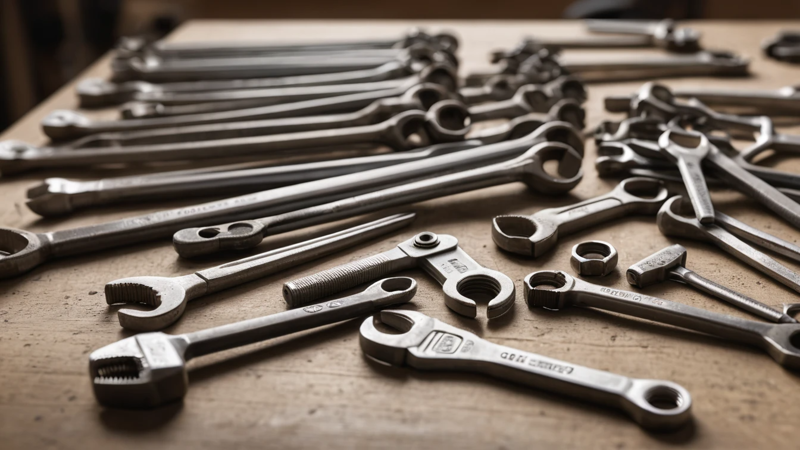
How to choose the right wrench for your project with this simple expert guide. Learn types, uses, sizes, and tips to get perfect, frustration-free results.
Choosing the right wrench depends on your project type, fastener size, and how much grip or torque you need. Identify the bolt shape, match the wrench size, and choose between adjustable, socket, or specialty wrenches for the best results.
How To Choose The Right Wrench For Your Project 🔧
Have you ever reached into your toolbox, grabbed a wrench, and realized it just isn’t working? Maybe it slips, doesn’t fit, or makes the job harder than it should be. We’ve all been there—and the wrong wrench can turn a simple task into a frustrating one.
Here’s the good news: choosing the right wrench is actually easy once you know what to look for. And by the end of this guide, you’ll feel confident picking the perfect tool every time.
Understanding The Purpose Of Your Wrench 🛠️
Before you choose a wrench, you should understand the task you’re trying to complete. This is the foundation of the whole process. Different projects demand different wrench styles, sizes, and torque abilities.
Think about whether you’re tightening, loosening, assembling furniture, repairing a bike, or working on plumbing. Each of these requires a different type of wrench. When you know why you need the wrench, choosing the right one becomes much easier 😊.
Also, consider whether the fastener is delicate, rusted, or requires extra force. These little details can save you time and prevent damage during your project.
Know The Fastener Type First 🔩
Before picking a wrench, always look closely at the bolt or nut shape. This determines which wrench will grip best.
Most fasteners are hexagonal, but some may be rounded, specialized, or made from softer metal. Matching your wrench to the fastener ensures a solid hold and prevents slipping. No one enjoys stripped bolts, right?
If you’re unsure about the shape, gently test-fit a wrench to see how well it grips. A snug fit is always better than a loose one.
Understanding Wrench Sizes And Measurements 📏
Wrench sizes usually come in SAE (inch-based) or metric (millimeter-based). It’s important to match your wrench to the fastener system used in your project.
- SAE is common in U.S. automotive and older equipment.
- Metric is used in most modern tools, furniture, and machines.
When a wrench doesn’t fit tightly, it increases the risk of rounding the bolt. Always choose the size that fits securely with minimal play.
Wrench Size Comparison Table
| Fastener Size Type | Common Range | Best For |
| SAE (Inches) | 1/4″–1″ | Cars, machinery, home repairs |
| Metric (mm) | 6mm–32mm | Bikes, appliances, new equipment |
| Adjustable | Variable | Quick fixes, general DIY |
When To Use An Adjustable Wrench 🔧✨
An adjustable wrench is the “one-size-fits-many” tool. It has a sliding jaw that opens and closes to fit different bolt sizes.
Use adjustable wrenches when:
- You don’t know the exact bolt size.
- You’re doing quick household fixes.
- You prefer a single tool instead of multiple sizes.
However, keep in mind that adjustable wrenches can slip if not tightened properly. Always ensure the jaw is snug before applying pressure.
When A Socket Wrench Is The Best Choice ⚙️
Socket wrenches make jobs faster, especially when you’re dealing with multiple bolts. They allow you to tighten or loosen fasteners without repositioning the tool each time.
This is especially helpful in automotive work, bike repairs, and assembly tasks where speed matters. Their ratcheting feature lets you move quickly in tight spaces with minimal effort.
A socket wrench set also includes multiple socket sizes, making it versatile for almost every type of project.
Benefits Of Using A Combination Wrench 🔥
Combination wrenches offer two useful sides: one open end and one closed (box-end). This gives you flexibility depending on the angle and force you need.
Use the open end for quick placement and the box-end for firm gripping. Combination wrenches are perfect for mechanical, plumbing, and home improvement tasks.
They are durable, reliable, and easy to store—great qualities for any toolbox.
Open-End Wrenches And Their Best Uses 🚪
Open-end wrenches have two U-shaped openings sized differently. They’re perfect for bolts in narrow spaces where a box-end wrench won’t fit.
They also allow quick repositioning since you can slide them on and off easily. This helps when you need speed rather than strength.
Just remember to use the correct size to avoid slipping or damaging the bolt.
Common Wrench Types And Uses Table
| Wrench Type | Best For | Strength Level |
| Open-End | Tight spaces | Medium |
| Combination | Versatile tasks | High |
| Adjustable | General use | Medium |
| Socket | Repetitive tightening | Very high |
Why Box-End Wrenches Are Great For Tightening 🔒
Box-end wrenches fully enclose the bolt head, giving you a stronger grip. This makes them ideal for stubborn fasteners or those that require high torque.
They’re also helpful when working in areas where slipping could cause damage. Because of their secure grip, they help prevent rounding the edges of bolts.
If you want control, precision, and strength, a box-end wrench is a top choice.
When To Choose A Ratcheting Wrench ⚡
A ratcheting wrench works like a combination wrench with a built-in ratchet. This means you can tighten or loosen bolts without lifting the wrench off the fastener.
This is great in tight areas where movement is limited. It also speeds up your work because you don’t need to reposition the tool.
If you want a blend of traditional feel and modern efficiency, go for ratcheting wrenches.
Choosing Specialty Wrenches For Complex Jobs 🔍
Some projects need tools with very specific functions. That’s where specialty wrenches come in. These include pipe wrenches, torque wrenches, Allen wrenches, and strap wrenches.
Each is designed for unique tasks such as plumbing, precision tightening, or bike repairs. Using the right specialty tool prevents damage and ensures proper fit.
Don’t hesitate to use specialty tools—they were made to make your work easier 😊.
Pipe Wrenches For Plumbing Projects 🚰
Pipe wrenches are essential for working with metal pipes and plumbing fittings. Their serrated jaws grip round surfaces firmly.
These wrenches apply strong torque without slipping, making them perfect for tightening pipe joints. Just be gentle on softer materials, as the teeth can leave marks.
If you’re doing any pipe-related repairs, this wrench is your best friend.
Allen Wrenches And Hex Keys For Modern Projects 🔑
Many modern items like bikes, furniture, and electronics use hex screws. That’s why Allen wrenches (also called hex keys) are so popular.
These small L-shaped tools give you easy access to recessed or small fasteners. They come in both metric and SAE versions.
A full set is lightweight, affordable, and incredibly handy.
Project Type vs. Best Wrench Table
| Project Type | Recommended Wrench | Reason |
| Plumbing | Pipe wrench | Strong grip on round surfaces |
| Bike repair | Allen wrench | Fits hex bolts |
| Automotive | Socket wrench | Fast and high-torque use |
| Furniture assembly | Hex keys or adjustable | Easy movement & fit |
Understanding Torque And Grip Strength 💪
Torque simply means twisting force. Some projects require gentle turning, while others need strong force.
A wrench with better grip (like a box-end or socket wrench) gives you more torque with less effort. This reduces strain and increases safety.
Always choose a wrench based on how much force the task requires.
Comfort, Handle Grip, And Material Quality ⭐
A wrench should feel comfortable in your hand. Soft grips, ergonomic handles, and non-slip materials help you work longer without discomfort.
High-quality wrenches are usually made from chrome-vanadium steel. They last longer, resist rust, and handle torque better.
A good wrench is an investment you’ll use for years. Don’t be afraid to choose quality over price 🔥.
Storing And Maintaining Your Wrenches Properly 🧰
A well-organized tool collection saves time and keeps your wrenches in good condition. Use toolboxes, trays, or magnetic holders.
Wipe your tools after use to prevent rust. Oil adjustable parts occasionally for smooth operation.
The better you care for your wrenches, the more dependable they’ll be for future projects.
Conclusion: Your Perfect Wrench Is Just A Choice Away 🔧😊
Choosing the right wrench doesn’t have to be confusing. Once you know your fastener type, project needs, and wrench options, the perfect tool becomes obvious. Remember to consider grip, size, torque, and comfort. With the right wrench in hand, every project becomes smoother, easier, and more enjoyable.
FAQs
What wrench is best for home DIY tasks?
An adjustable wrench is great because it fits many bolt sizes. It handles quick jobs well and is easy to keep in a small toolbox. For more accuracy, add a combination wrench set.
How do I know what wrench size I need?
Match your wrench to the bolt head by testing for a snug fit. Metric sizes fit most modern items, while SAE works for older or American-made equipment. If unsure, try both systems.
Is a socket wrench better than an adjustable wrench?
A socket wrench is faster and gives better torque. It’s ideal for repetitive tightening or automotive work. Adjustable wrenches are more flexible for everyday home use.
Which wrench prevents slipping the best?
Box-end and socket wrenches provide the most secure grip. They fully wrap around the bolt head to reduce slipping. This helps prevent rounding and makes tightening easier.
Do I need both metric and SAE wrenches?
Yes, if you work on different types of equipment. Many modern products use metric, while older or U.S.-based items may use SAE. Having both ensures you’re ready for any project.

Leave a Reply