

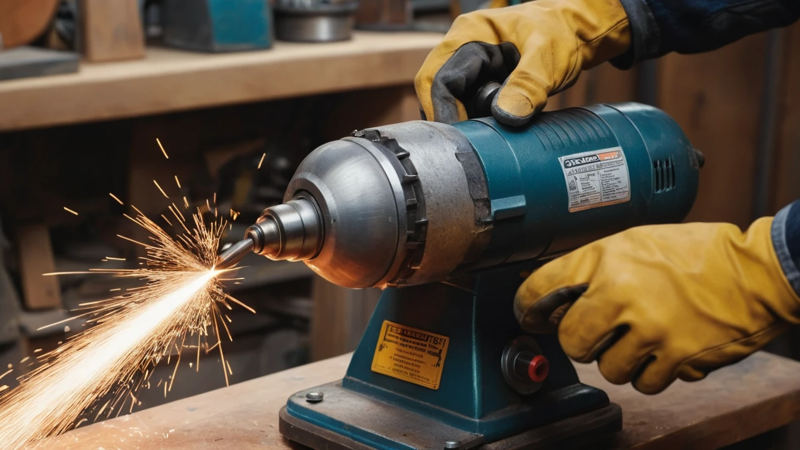
How to sharpen drill bits at home using simple tools and safe steps to restore cutting power, save money, and drill cleaner holes fast.
How to sharpen drill bits at home is simple when you know the right angle, tool, and technique. With basic equipment like a bench grinder or file, you can restore dull bits, improve drilling accuracy, and extend tool life—without buying replacements.
Ever notice how drilling suddenly feels harder than it should? 🤔
The bit squeals. Smoke appears. The hole looks rough. That’s not bad luck. That’s a dull drill bit asking for help.
Sharpening drill bits at home is easier than most people think. You don’t need fancy machines or professional training. With a little patience and the right steps, you can bring dead bits back to life and save real money.
Let’s break it all down in plain, simple language.
How To Sharpen Drill Bits At Home 🔧
Sharpening drill bits at home means restoring the cutting edges so they bite into material again. A sharp bit cuts fast, stays cool, and drills clean holes. A dull one wastes time, overheats, and can even break.
Most drill bits become dull from heat and friction. Each time you drill metal or hardwood, the edge slowly wears down. The good news? That damage is reversible.
At home, you can sharpen drill bits using common tools like a bench grinder, angle grinder, or even a hand file. The key is maintaining the correct angle and symmetry.
Once sharpened, your drill will feel smoother. You’ll apply less pressure. And your projects will instantly look more professional 😌.
Why Drill Bits Get Dull So Fast 😟
Drill bits dull faster than most people expect. Heat is the main enemy. Drilling too fast creates friction that burns the cutting edge.
Another cause is drilling the wrong material. Using wood bits on metal or concrete ruins edges quickly. Even good bits suffer when misused.
Poor storage also plays a role. Bits tossed into drawers hit each other and chip. Moisture can cause rust, which weakens the edge.
Understanding why bits dull helps you prevent it later. Sharpening fixes the problem—but prevention saves effort.
Signs Your Drill Bit Needs Sharpening ⚠️
A dull drill bit always gives warnings. Most people ignore them until drilling becomes painful.
Common signs include:
- You must push hard to drill
- The bit squeals or smokes
- Holes look rough or uneven
- The bit spins without cutting
Another clue is heat. If the bit gets hot fast, it’s struggling. A sharp bit stays cooler and cuts smoothly.
The moment you notice these signs, stop drilling. Sharpening early prevents permanent damage.
Benefits Of Sharpening Drill Bits At Home 💰
Sharpening drill bits at home saves more than money. It saves time and frustration too.
You avoid last-minute hardware store trips. You reuse tools instead of tossing them. And your work quality improves instantly.
Key benefits include:
- Longer bit lifespan
- Cleaner, accurate holes
- Faster drilling
- Lower tool costs
Sharpening also builds confidence. Once you learn it, you’ll never fear dull bits again 😄.
Tools You Need To Sharpen Drill Bits 🧰
You don’t need a full workshop to sharpen drill bits. Basic tools work just fine.
Here are common options:
- Bench grinder (best choice)
- Angle grinder
- Drill bit sharpener
- Flat hand file
- Safety glasses and gloves
A bench grinder offers control and consistency. Files work for quick touch-ups. Dedicated sharpeners are easy but optional.
Choose what fits your budget and comfort level. The technique matters more than the tool.
| Tool Type | Skill Level | Best For |
| Bench Grinder | Beginner–Pro | Precise sharpening |
| Hand File | Beginner | Small touch-ups |
| Bit Sharpener | Beginner | Fast results |
| Angle Grinder | Intermediate | Heavy-duty bits |
Understanding Drill Bit Angles Made Simple 📐
Drill bits cut using two lips that meet at the tip. These lips must be equal in length and angle.
Most standard drill bits use a 118-degree angle. This works for wood, plastic, and mild steel. Some metal bits use 135 degrees, but 118 is common.
When sharpening, your goal is to restore that angle evenly. Uneven lips cause wobbling and oversized holes.
Think of it like sharpening a pencil—but both sides must match perfectly.
How To Sharpen Drill Bits With A Bench Grinder ⚙️
A bench grinder is the easiest and most accurate method. It removes material evenly and quickly.
First, turn on the grinder and let it reach full speed. Hold the drill bit at the correct angle. Gently press one cutting edge against the wheel.
Rotate slightly to shape the lip. Pull away. Repeat on the other side. Alternate until both sides look even.
Don’t rush. Light pressure works best. Check often. Overheating ruins bits 🔥.
Sharpening Drill Bits Using A Hand File ✋
No grinder? No problem. A flat hand file can still sharpen drill bits.
Clamp the drill bit firmly so it doesn’t move. File one cutting edge at a time. Match the original angle as closely as possible.
Use smooth strokes. Count your strokes to keep both sides even. This helps maintain balance.
Files work best on small or slightly dull bits. They’re slower but very controlled.
How To Use A Drill Bit Sharpener 🔄
Drill bit sharpeners are beginner-friendly tools. You insert the bit and let the machine guide the angle.
These devices are fast and consistent. They work well for common sizes. You don’t need much skill.
However, they struggle with specialty bits or severe damage. Still, for home use, they’re convenient.
If you sharpen often, this tool pays for itself quickly.
| Sharpening Method | Speed | Accuracy | Cost |
| Bench Grinder | Fast | High | Medium |
| Hand File | Slow | Medium | Low |
| Bit Sharpener | Fast | High | Medium |
Common Mistakes To Avoid When Sharpening ❌
Many beginners make the same mistakes. These errors reduce bit life instead of helping.
Avoid these issues:
- Grinding too aggressively
- Overheating the tip
- Uneven cutting edges
- Changing the original angle
Another mistake is rushing. Sharpening rewards patience. Slow, controlled passes always win.
If a bit turns blue, it overheated. That bit may be permanently weakened.
How To Keep Drill Bits Cool While Sharpening 💧
Heat destroys cutting edges. Managing heat is critical.
Use light pressure. Dip the bit in water after each pass. Let it cool naturally.
Short grinding sessions work best. Never hold the bit against the wheel continuously.
Cool bits last longer. Sharp bits cut better. Heat control is everything.
How To Test A Sharpened Drill Bit ✅
After sharpening, testing matters. A quick check saves frustration.
Try these tests:
- Visual check for equal edges
- Light fingernail scrape test
- Drill into scrap wood or metal
A sharp bit bites immediately. It doesn’t wander or slip. The hole should look clean.
If it struggles, sharpen again lightly.
Special Tips For Different Drill Bit Materials 🧪
Not all drill bits are the same. Material matters.
High-speed steel bits sharpen easily. Cobalt bits require lighter pressure. Carbide bits need special wheels.
Never sharpen carbide with standard grinders. You’ll damage it instantly.
Know your bit type before sharpening. When unsure, go slow.
| Bit Material | Sharpening Difficulty | Notes |
| High-Speed Steel | Easy | Most common |
| Cobalt | Medium | Avoid overheating |
| Carbide | Hard | Needs special tools |
How Often Should You Sharpen Drill Bits ⏱️
Sharpening frequency depends on use. Heavy drilling dulls bits fast.
For DIY users, sharpening every few months is common. Professionals may sharpen weekly.
Listen to the bit. When drilling feels harder, it’s time.
Regular light sharpening beats waiting until the bit is destroyed.
Storing Drill Bits To Stay Sharp Longer 📦
Storage matters more than people think. Loose bits hit each other and chip.
Use drill bit cases or labeled holders. Keep bits dry. Wipe them after use.
A little care prevents frequent sharpening. Sharp bits stay sharp longer when protected.
Good storage saves time and money.
Is It Better To Sharpen Or Replace Drill Bits? 🤷
For cheap bits, replacement might make sense. For quality bits, sharpening is smarter.
Sharpening preserves expensive sets. It reduces waste. And it keeps tools familiar.
If a bit is cracked or badly burned, replace it. Otherwise, sharpen and reuse.
Most dull bits deserve a second chance.
Final Thoughts On Sharpening Drill Bits At Home 🏁
Sharpening drill bits at home is a practical skill anyone can learn. It saves money, improves results, and builds confidence.
With basic tools and patience, dull bits become sharp again. Clean holes. Less effort. Better projects.
Once you master this skill, drilling problems disappear. Your tools work with you—not against you.
FAQs ❓
How do I sharpen drill bits without a grinder?
You can use a flat hand file for light sharpening. Secure the bit and file evenly. Go slow and match the original angle.
What angle should drill bits be sharpened at?
Most standard drill bits use a 118-degree angle. Keeping both sides even matters more than exact degrees.
Can dull drill bits be fully restored at home?
Yes, most dull bits can be restored. As long as they aren’t cracked or overheated, sharpening works well.
How long does it take to sharpen a drill bit?
With practice, it takes under two minutes per bit. Beginners may take longer at first.
Is it safe to sharpen drill bits yourself?
Yes, when done carefully. Wear eye protection, control heat, and use light pressure for safety.
Leave a Reply