

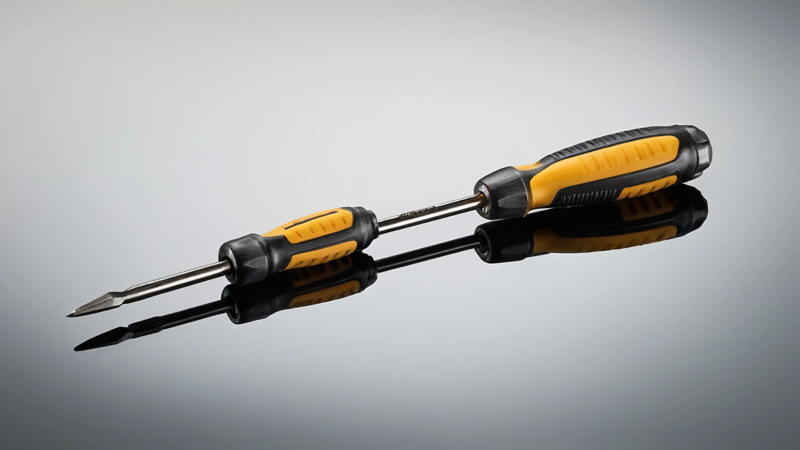
Screwdriver types explained: Flathead vs Phillips, their uses, differences, pros, cons, and tips to choose the right one for any job.
Screwdriver types explained: Flathead and Phillips screwdrivers are designed for different screw heads. Flathead works with straight slots and offers simple control, while Phillips uses a cross shape that grips better and reduces slipping. Choosing the right one prevents damage and makes every job faster.
Ever stripped a screw and wondered, “Why won’t this thing turn?” 🔧
That frustration usually comes from using the wrong screwdriver. Let’s clear it up once and for all with a simple, practical breakdown.
Flathead and Phillips screwdrivers look basic, but they behave very differently. Each one has strengths, weaknesses, and best-use scenarios. Knowing when to use which tool saves time, effort, and your sanity 😊.
Screwdriver Types Explained: Flathead vs Phillips 🔩
What Is A Screwdriver And Why It Matters 🧰
A screwdriver is one of the most common hand tools in any toolbox. It transfers torque from your hand to a screw. That sounds simple, but the head design changes everything.
Using the correct screwdriver improves grip and control. It also protects screws from stripping. Most DIY mistakes start with poor tool choice, not poor skill.
A good screwdriver fit feels right. It sits snug and doesn’t wobble. That’s your first clue you picked the right type.
Understanding Screw Head Designs 🧠
Screw heads are shaped to match specific drivers. This shape controls how force is applied. Flathead and Phillips were designed to solve different problems.
Flathead screws came first and focus on simplicity. Phillips screws came later to improve efficiency and reduce cam-out. Each design tells a story of how tools evolved.
When the head and driver match perfectly, work feels smooth. When they don’t, frustration follows fast 😤.
What Is A Flathead Screwdriver 🔹
A flathead screwdriver has a straight, flat blade. It fits into a single-slot screw head. You’ve probably seen it everywhere.
This tool is easy to recognize and easy to use. It works best for light-duty tasks. Many older fixtures and furniture still use flathead screws.
However, the blade can slip out easily. That’s the biggest drawback users face.
What Is A Phillips Screwdriver ✖️
A Phillips screwdriver has a cross-shaped tip. It fits into screws with a matching “+” pattern. This design improves grip under pressure.
Phillips screws were created for assembly lines. They allow faster driving with less slipping. That makes them popular in construction and appliances.
The tapered shape centers itself. That small detail makes a big difference during real work.
Flathead Screwdriver Key Features ⚙️
Flathead screwdrivers are all about simplicity. The blade is flat and narrow. That makes it easy to fit into shallow slots.
Key characteristics include:
- Straight blade design
- Works with slotted screws
- Easy to clean and maintain
They’re also handy for light prying. Just don’t overdo it 😉.
Phillips Screwdriver Key Features 🔩
Phillips screwdrivers are built for efficiency. The cross tip distributes force evenly. This reduces slipping when turning.
Important features include:
- Cross-shaped tip
- Self-centering design
- Better torque control
They’re ideal for repetitive tasks. That’s why professionals rely on them daily.
Flathead Vs Phillips: Head Shape Comparison 🔍
The biggest difference is the head shape. Flathead uses one straight slot. Phillips uses intersecting slots.
This shape affects how force is applied. Flathead pushes force sideways. Phillips spreads force outward and downward.
Here’s a quick comparison for clarity:
| Feature | Flathead | Phillips |
| Slot Design | Single straight line | Cross-shaped |
| Grip Strength | Lower | Higher |
| Slip Risk | High | Low |
| Best Use | Light tasks | Heavy tasks |
Torque And Grip Differences 💪
Torque matters when driving screws. Flathead screwdrivers struggle with high torque. They slip more easily.
Phillips screwdrivers handle torque better. The cross design grips deeper into the screw head. That means less stripping.
If you need firm pressure, Phillips wins. For gentle turns, flathead still works fine.
Common Uses Of Flathead Screwdrivers 🛠️
Flathead screwdrivers are still useful today. They shine in simple, controlled tasks. You’ll find them in many households.
Common uses include:
- Electrical outlet covers
- Antique furniture
- Paint can lids
They’re also great as backup tools. Just don’t force them where they don’t belong.
Common Uses Of Phillips Screwdrivers 🔧
Phillips screwdrivers dominate modern projects. They’re used in homes, cars, and electronics. Their grip makes them reliable.
Typical uses include:
- Furniture assembly
- Appliances and hardware
- Construction framing
If a screw has a cross, Phillips is your best friend 😊.
Pros And Cons Of Flathead Screwdrivers ⚖️
Flathead screwdrivers have strengths and weaknesses. Knowing both helps you choose wisely.
Pros:
- Simple design
- Works in tight spaces
- Multi-purpose use
Cons:
- Slips easily
- Strips screws faster
- Limited torque
They’re best for low-pressure tasks.
Pros And Cons Of Phillips Screwdrivers ⚖️
Phillips screwdrivers also come with trade-offs. They’re powerful but not perfect.
Pros:
- Strong grip
- Less slipping
- Faster driving
Cons:
- Can cam-out under extreme force
- Requires exact size match
Overall, they’re more forgiving for beginners.
Choosing The Right Screwdriver For The Job 🎯
The right screwdriver depends on the screw head. Always match the driver to the screw. That’s rule number one.
Also consider the task difficulty. Light jobs favor flathead. Heavy or repetitive jobs favor Phillips.
Keep multiple sizes handy. A perfect fit feels snug and steady.
Size Variations And Why They Matter 📏
Both screwdriver types come in many sizes. Using the wrong size causes damage. Even the right type can fail if the size is off.
Flathead sizes vary by blade width. Phillips sizes are labeled #0 to #4. Each size matches specific screws.
Always test the fit before turning. That simple step prevents stripped heads.
Maintenance Tips For Longer Tool Life 🧽
Good tools last longer with care. Clean screwdriver tips after use. Dirt reduces grip.
Store them properly. Avoid tossing them loosely in drawers. That dulls the edges.
Replace worn tips early. A damaged tip damages screws fast.
Beginner Mistakes To Avoid 🚫
Many beginners make the same mistakes. They use flathead on Phillips screws. That never ends well.
Other common errors include:
- Forcing the tool
- Using the wrong size
- Applying uneven pressure
Slow down and feel the fit. Tools should work with you, not against you.
Flathead And Phillips In Modern Toolkits 🧰
Most toolkits include both types. Each serves a purpose. One doesn’t replace the other.
Professionals carry multiple sizes of both. DIYers should too. It’s a small investment with big returns.
Having the right tool builds confidence. That confidence leads to better results 👍.
Final Thoughts On Flathead Vs Phillips 🏁
Flathead and Phillips screwdrivers are simple but essential. Flathead offers versatility for light tasks. Phillips delivers power and control for modern projects.
Understanding their differences saves time and frustration. The right choice protects your screws and your hands. Master this, and every project feels easier.
FAQs ❓
Which screwdriver is better for beginners?
Phillips screwdrivers are easier to control. They slip less and grip better. That makes learning smoother and safer.
Can I use a flathead on a Phillips screw?
It’s not recommended. It often slips and strips the screw. Always match the tool to the screw head.
Why do Phillips screws strip less?
Their cross shape spreads force evenly. This reduces slipping. It also improves grip under pressure.
Are flathead screws still used today?
Yes, especially in older fixtures and simple designs. They’re also common in electrical work. Their simplicity keeps them relevant.
What size Phillips screwdriver do I need most?
A #2 Phillips is the most common. It fits many household screws. It’s a must-have for any toolbox.

Leave a Reply