

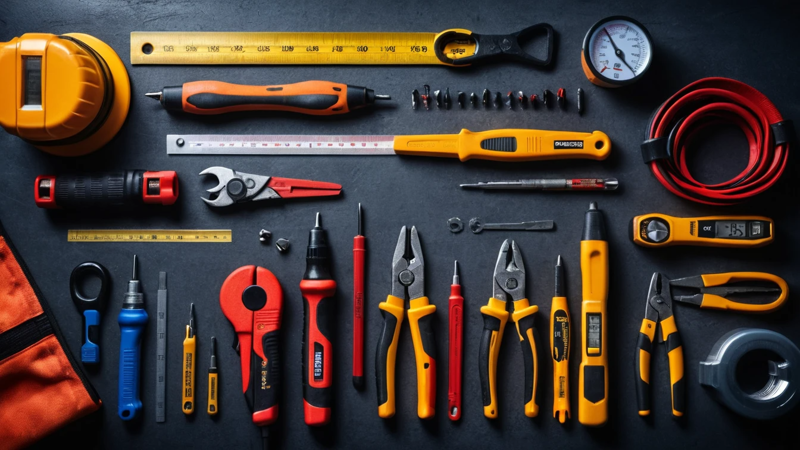
Top 10 tools for electricians and plumbers that boost safety, speed, and accuracy on every job.
The top 10 tools for electricians and plumbers include essential hand tools, testing devices, and safety equipment. These tools help professionals work faster, safer, and with better accuracy on residential and commercial jobs. Choosing the right tools improves efficiency, reduces errors, and ensures long-lasting results.
Ever wonder why some electricians and plumbers finish jobs faster and cleaner than others? 🤔
The secret is not luck or speed. It’s the tools they carry every single day.
If you’re an electrician or plumber, having the right tools is not optional. It’s how you stay safe, save time, and deliver quality work. This guide breaks down the top 10 tools for electricians and plumbers that professionals rely on daily.
Let’s dive in 🔧⚡
Top 10 Tools For Electricians And Plumbers 🛠️
Electricians and plumbers often work in tight spaces, dark areas, and risky conditions. The right tools make tough jobs easier. Below are the must-have tools every pro should own.
Why The Right Tools Matter More Than Ever ⚙️
Good tools don’t just make work easier. They make work safer. A reliable tool reduces mistakes and prevents injuries.
Quality tools also last longer. That saves money over time. You won’t need constant replacements or repairs.
Most importantly, customers notice clean, professional work. The right tools help you deliver that every time.
Multimeter – The Electrician’s Best Friend ⚡
A multimeter measures voltage, current, and resistance. Electricians use it on almost every job. It helps detect live wires and faulty circuits.
This tool keeps you safe from electrical shocks. It also helps diagnose problems quickly. That means less guesswork and faster repairs.
Many plumbers also use multimeters. They test water heaters and electronic control panels.
Key benefits include:
- Accurate electrical readings
- Improved job safety
- Faster troubleshooting
Pipe Wrench – A Plumbing Classic 🔩
The pipe wrench is a must-have for plumbers. It grips round pipes tightly without slipping. This makes loosening or tightening pipes easier.
Pipe wrenches are built for strength. They handle tough jobs like rusted or frozen pipes. Adjustable jaws fit different pipe sizes.
Electricians may use smaller versions for conduit work. It’s a simple tool with big power.
Insulated Screwdrivers – Safety First 🪛
Insulated screwdrivers protect electricians from electric shock. They are coated with non-conductive materials. This extra layer matters when working on live circuits.
Plumbers also use them for fixtures and appliance installs. A good set includes flathead and Phillips types.
Why pros love them:
- Better grip and control
- Reduced risk of shock
- Long-lasting durability
Adjustable Wrench – One Tool, Many Jobs 🔧
An adjustable wrench replaces multiple fixed-size wrenches. You can quickly adjust it to fit different nuts and bolts.
This tool is useful for both electricians and plumbers. It saves space in your tool bag. It also speeds up simple tasks.
Choose one with a comfortable handle. A solid grip reduces hand fatigue during long jobs.
Common Hand Tools Used Daily 🧰
| Tool Name | Primary Use | Ideal For |
| Pipe Wrench | Grip round pipes | Plumbers |
| Adjustable Wrench | Tighten nuts | Both |
| Insulated Screwdrivers | Electrical safety | Electricians |
| Pliers | Grip and cut | Both |
Pliers Set – Grip, Twist, Cut ✂️
Pliers are versatile and essential. They grip wires, bend metal, and cut cables. Every professional carries more than one type.
Common pliers include needle-nose, slip-joint, and lineman pliers. Each serves a different purpose.
Plumbers use them for clamps and fittings. Electricians use them for wire work and pulling cables.
Tape Measure – Accuracy Matters 📏
A tape measure helps ensure precise installations. Electricians use it for conduit spacing and panel placement. Plumbers use it for pipe runs and fixture alignment.
Small measurement errors cause big problems later. That’s why accuracy matters so much.
Choose a tape with clear markings. A locking mechanism also helps during solo work.
Voltage Tester – Quick Safety Check ⚠️
A voltage tester checks if wires are live. It’s fast, simple, and reliable. Electricians use it before touching any wire.
This tool adds an extra safety layer. Even experienced pros double-check with a tester.
Some plumbers use it near electrical water heaters. Safety always comes first.
Safety And Testing Tools Overview 🦺
| Tool | Purpose | Benefit |
| Multimeter | Measure electricity | Accuracy |
| Voltage Tester | Detect live wires | Safety |
| Insulated Tools | Prevent shocks | Protection |
Pipe Cutter – Clean Cuts Every Time 🧪
Pipe cutters deliver clean, smooth cuts. They work on copper, PVC, and steel pipes. This improves joint quality and reduces leaks.
Plumbers rely on them daily. Electricians use them for conduit trimming.
Compared to saws, pipe cutters are faster and neater. They also reduce cleanup time.
Fish Tape – Reach Hidden Spaces 🐟
Fish tape helps pull wires through walls and conduits. Electricians use it for new wiring and upgrades. It saves time and effort.
Plumbers use it to guide flexible tubing. It’s especially useful in tight or hidden areas.
Choose steel or fiberglass based on your job needs. Both offer flexibility and strength.
Tool Bag Or Tool Backpack – Stay Organized 🎒
A tool bag keeps everything in one place. Organization saves time on every job. You won’t waste minutes searching for tools.
Modern tool backpacks distribute weight evenly. This reduces back strain during long days.
Look for strong zippers and multiple pockets. A good bag protects your investment.
Electrician Vs Plumber Tools – Quick Comparison 🔍
| Feature | Electricians | Plumbers |
| Core Focus | Wiring & power | Pipes & water |
| Key Tools | Multimeter, Fish Tape | Pipe Wrench, Cutter |
| Shared Tools | Pliers, Wrenches | Pliers, Wrenches |
How To Choose The Best Tools For Your Trade 🧠
Not all tools are created equal. Cheap tools break faster and cause frustration. Investing in quality tools pays off.
Look for tools with ergonomic handles. Comfort matters during long jobs. Durability also matters in tough environments.
Always match tools to your work type. Residential and commercial jobs need different gear.
Must-Have Features To Look For When Buying Tools 🛒
Before buying, check for these features:
- Strong build quality
- Comfortable grip
- Safety certifications
- Good warranty
These details make a big difference over time. Tools are long-term partners in your career.
How Good Tools Improve Job Speed And Quality 🚀
Good tools reduce mistakes. They also improve confidence on the job. You work faster when tools perform well.
Customers notice clean installations. That leads to better reviews and repeat work.
In short, tools directly affect your reputation. Choose wisely.
Tool Maintenance Tips For Longer Life 🧼
Clean tools after each job. Dirt and moisture cause rust. Simple wiping helps a lot.
Store tools in a dry place. Use tool bags or cases for protection. Replace damaged tools immediately.
Well-maintained tools last longer and perform better.
Mistakes To Avoid When Buying Professional Tools ❌
Many beginners buy cheap tool kits. These often fail quickly. That leads to more spending later.
Avoid buying tools you don’t need. Focus on essentials first. Build your kit over time.
Also, avoid ignoring safety ratings. Safety should never be optional.
Conclusion: The Right Tools Make All The Difference ✅
The top 10 tools for electricians and plumbers are more than equipment. They are daily partners on every job. From multimeters to pipe wrenches, each tool plays a critical role.
Investing in quality tools improves safety, speed, and results. It also boosts confidence and professionalism. Choose wisely, maintain them well, and your work will always stand out 💪🔧
FAQs ❓
What are the most essential tools for electricians?
Electricians need a multimeter, insulated screwdrivers, voltage tester, and fish tape. These tools ensure safety and accuracy. They are used on almost every job.
Which tools do plumbers use daily?
Plumbers rely on pipe wrenches, pipe cutters, pliers, and tape measures. These tools help with pipe installation and repairs. They improve speed and precision.
Are insulated tools really necessary?
Yes, insulated tools reduce the risk of electric shock. They add a safety layer when working near live circuits. Professionals should always use them.
Can one tool set work for both trades?
Some tools like pliers and adjustable wrenches work for both. However, each trade has specialized tools. A mixed kit is helpful but not complete.
How often should professional tools be replaced?
Tools should be replaced when damaged or worn. Regular maintenance extends tool life. Quality tools last many years with proper care.

Leave a Reply