

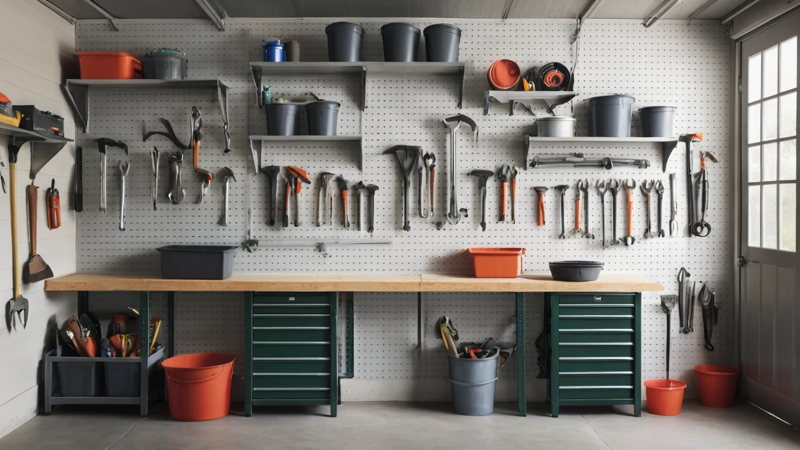
Storage Tips to Prevent Rust and Corrosion with simple, proven methods to protect tools, metals, and equipment for long-lasting use.
Storage tips to prevent rust and corrosion focus on moisture control, airflow, proper coatings, and smart organization. Using dry environments, protective wraps, desiccants, and routine checks helps metal tools, equipment, and parts stay rust-free, functional, and long-lasting.
Ever pulled out a tool only to find it covered in rust? 😟
Rust and corrosion sneak up fast and ruin metal before you notice. The good news? You can stop them with the right storage habits. Let’s break it down in a simple, practical way that actually works.
Storage Tips To Prevent Rust And Corrosion 🛠️
Rust and corrosion happen when metal meets moisture and oxygen. Storing items the right way slows or stops that reaction. Smart storage protects tools, saves money, and keeps equipment working longer.
Below are proven storage tips you can start using today.
Understand Why Rust And Corrosion Happen ⚙️
Rust forms when iron reacts with water and oxygen. Corrosion affects many metals, not just steel. Heat, humidity, and salt speed up the process.
Poor storage creates the perfect storm. Damp air, poor airflow, and temperature changes make metal vulnerable. Knowing this helps you plan smarter storage solutions.
Once corrosion starts, it spreads fast. Prevention is always easier than repair.
Choose The Right Storage Location 🏠
Where you store metal matters more than you think. Basements, sheds, and garages often hold moisture. Even small humidity changes can trigger rust.
Pick a dry, temperature-stable space when possible. Indoor storage beats outdoor storage every time. Avoid placing metal directly on concrete floors.
Good locations include:
- Climate-controlled rooms
- Shelving above ground
- Cabinets with airflow
Control Moisture Levels Effectively 💧
Moisture is rust’s best friend. Reducing humidity is the fastest way to stop corrosion. Even sealed spaces can trap moisture.
Use moisture control tools like:
- Silica gel packs
- Desiccant containers
- Dehumidifiers
Keep humidity below 50% for best results. Check moisture levels regularly, especially during rainy seasons.
Use Proper Ventilation And Airflow 🌬️
Still air holds moisture longer. Airflow helps metal stay dry. This is especially important in garages and storage rooms.
Avoid tightly sealing items unless they are fully dry. Slight airflow prevents condensation buildup. Fans and vented cabinets help a lot.
Good airflow reduces temperature swings. That alone lowers corrosion risk significantly.
Clean Items Before Storage 🧼
Storing dirty metal is a common mistake. Dirt, oil, and fingerprints hold moisture. Over time, they create corrosion spots.
Always clean metal before storage. Remove grease, dust, and residue. Dry items completely after cleaning.
A simple wipe-down makes a big difference. Clean metal stays protected longer.
Apply Protective Coatings And Oils 🛢️
Protective coatings create a barrier between metal and air. This blocks moisture and slows oxidation. Even a thin layer helps.
Popular options include:
- Light machine oil
- Rust-preventive sprays
- Wax coatings
Apply coatings evenly and reapply as needed. This step is essential for long-term storage.
Use Rust-Inhibiting Storage Materials 📦
The materials around your items matter. Some materials trap moisture and cause rust. Others actively protect metal.
Avoid using cardboard and regular plastic wraps. Instead, choose:
- VCI (Vapor Corrosion Inhibitor) paper
- Anti-rust bags
- Treated storage liners
These materials release protective vapors that stop corrosion before it starts.
Store Different Metals Separately 🔩
Some metals react when stored together. This causes galvanic corrosion. It’s common but often overlooked.
Never store steel touching aluminum or copper. Separate metals using dividers or protective wraps. This prevents chemical reactions.
Smart separation extends the life of all stored items.
Organize Storage To Avoid Contact Damage 📐
Cluttered storage causes scratches and chips. Exposed metal spots rust faster. Organization protects surfaces from damage.
Use shelves, hooks, and foam inserts. Keep tools from touching each other. Label storage areas clearly.
Here’s a quick organization guide:
| Item Type | Best Storage Method | Added Protection |
| Hand tools | Wall hooks or drawers | Light oil coating |
| Power tools | Plastic cases | Desiccant packs |
| Spare parts | Sealed bins | VCI paper |
Avoid Plastic Traps And Sealed Moisture ❌
Plastic seems safe, but it can trap moisture. Condensation forms inside sealed plastic bags. This speeds up rust.
If you use plastic, add desiccants. Never store damp items in plastic. Ventilation is key.
Breathable wraps are often better than airtight plastic.
Use Shelving Instead Of Floor Storage 🧱
Concrete floors hold moisture. Metal stored on floors absorbs it slowly. Over time, rust forms underneath.
Always elevate metal items. Use shelves, pallets, or racks. Even a few inches help.
Raised storage improves airflow and reduces damp exposure.
Protect Long-Term Stored Items 🕒
Long-term storage needs extra care. Items sitting unused for months face higher corrosion risk. Regular checks matter.
Before storing long-term:
- Clean thoroughly
- Apply protective coating
- Wrap with rust inhibitors
Check items every few months. Early rust spots are easier to fix.
Monitor Temperature Changes 🌡️
Temperature swings cause condensation. Warm air cools and releases moisture onto metal. This is common in garages.
Try to stabilize storage temperatures. Insulation helps reduce sudden changes. Avoid placing metal near doors or windows.
Consistent temperatures mean less moisture buildup.
Use Smart Containers And Cabinets 🔐
Specialized storage cabinets add protection. Many include moisture control and airflow features. They’re great for valuable tools.
Look for cabinets with:
- Rust-resistant interiors
- Ventilation slots
- Sealed but breathable designs
Here’s a quick comparison:
| Storage Type | Moisture Risk | Best Use |
| Open shelves | Low | Dry indoor spaces |
| Plastic bins | Medium | Short-term storage |
| Metal cabinets | Low | Tools and equipment |
Inspect And Maintain Stored Items Regularly 🔍
Storage is not “set and forget.” Regular inspection prevents surprises. Small rust spots can spread fast.
Check for:
- Moisture buildup
- Surface discoloration
- Coating wear
Reapply oil or coatings when needed. Maintenance saves replacement costs later.
Use Labels And Rotation Systems 🔄
Items forgotten in storage rust faster. Rotation keeps things in use. Labels remind you what’s stored and when.
Use clear labels with dates. Rotate older items forward. This reduces long-term exposure risks.
Smart rotation improves storage efficiency and protection.
Special Tips For Outdoor And Garage Storage 🚗
Outdoor storage needs extra protection. Garages often have humidity and temperature swings. Plan accordingly.
Use heavy-duty covers with airflow. Add extra desiccants. Elevate items off the ground.
For outdoor storage:
- Choose shaded areas
- Avoid direct rain exposure
- Check after storms
Common Storage Mistakes To Avoid ⚠️
Many rust problems come from simple mistakes. Avoiding them makes a huge difference.
Common mistakes include:
- Storing items dirty
- Ignoring humidity
- Sealing moisture inside plastic
- Skipping inspections
Fixing these habits protects metal long-term.
Simple Rust Prevention Checklist ✅
Use this quick checklist before storing metal:
- ✔ Clean and dry items
- ✔ Apply protective coating
- ✔ Control moisture
- ✔ Ensure airflow
- ✔ Inspect regularly
Following these steps reduces rust risk dramatically.
Final Thoughts On Rust-Free Storage 🏁
Rust and corrosion don’t have to win. With the right storage tips, you can protect metal for years. Focus on moisture control, airflow, and routine care.
Small changes make a big impact. Start applying these storage tips today and keep your tools and equipment in top shape. 😊
FAQs
How do I store tools to prevent rust long-term?
Clean tools thoroughly and dry them completely. Apply a light oil or rust inhibitor before storage. Store them in a dry, ventilated area with desiccants.
What is the best storage environment to prevent corrosion?
A dry, temperature-stable space works best. Humidity should stay below 50 percent. Good airflow helps prevent moisture buildup.
Can silica gel really prevent rust in storage?
Yes, silica gel absorbs moisture from the air. It helps reduce humidity inside containers. Replace or recharge packs regularly.
Is plastic wrapping safe for metal storage?
Plastic can trap moisture if used incorrectly. Always add desiccants when using plastic. Avoid sealing damp metal inside bags.
How often should I check stored metal items?
Inspect stored items every few months. Look for moisture, discoloration, or coating wear. Early checks prevent major rust damage.
Leave a Reply