


Top Construction Tools for contractors explained clearly. Discover the must-have tools that boost efficiency, safety, and job quality.
The top construction tools for contractors include power tools, measuring devices, cutting tools, safety gear, and material-handling equipment. These tools improve jobsite efficiency, precision, and safety for professional construction work.
Have you ever wondered why some contractors complete projects faster and with higher-quality results than others? Often, the difference comes down to the tools they rely on. The construction industry demands accuracy, durability, and efficiency — and the right tools can make all the difference.
To help you work smarter and elevate your craftsmanship, this guide breaks down the top construction tools every contractor should own, how they’re used, and why they matter. Whether you’re a general contractor, carpenter, electrician, plumber, or remodeler, this list will help you invest in the essential tools designed to keep your workflow smooth and stress-free.
Top Construction Tools For Contractors 🧰
Power Drills And Drivers 🔧
Power drills and drivers are the backbone of any construction toolkit. They help you drill holes, drive screws, and assemble materials quickly. Look for brushless motors, adjustable torque, and long-lasting batteries. A cordless drill adds convenience when working on remote job sites.
Impact drivers offer additional driving power. They help with tougher materials like hardwood or metal. A drill-and-driver combo set ensures you can handle both drilling and fastening without switching tools frequently.
Circular Saws For Quick Cutting 🪚
Circular saws are used for cutting lumber, plywood, and sheet goods. A lightweight model allows better maneuverability on roofs and framing tasks. Cordless models are great for mobility while corded versions provide unlimited runtime.
Choose saws with adjustable bevel settings. A sharp blade reduces kickback and produces cleaner cuts. Keep blades clean and sharp to extend their life.
Hammer And Hand Tools Essentials 🛠️
Even in the age of power tools, hand tools remain essential. A durable framing hammer, pry bar, utility knife, chisels, and screwdrivers are must-haves. They offer control and precision when power tools are too aggressive.
Hand tools are also great backup tools. They’re reliable even without power or batteries. Keep them organized on your tool belt for easy access.
Tape Measure And Laser Measure 📏
Accurate measurements determine the success of every build. A sturdy 25-ft tape measure works for most tasks. Consider a laser measure for fast and precise long-distance measurements.
Laser devices reduce guesswork and help align flooring, walls, and fixtures. They save time when working solo and improve layout accuracy.
| Measuring Tool | Best Use | Key Advantage |
| Tape Measure | General measurements | Portable & simple |
| Laser Measure | Large rooms, layout planning | Fast, precise, solo use |
| Speed Square | Cutting angles, marking lumber | Essential for framing |
Leveling Tools For Perfect Alignment 🎯
Contractors rely on bubble levels and laser levels to ensure straight, even installations. Uneven surfaces can cause structural issues and cosmetic flaws. Using a level prevents costly rework later.
Laser levels create straight layout lines across walls and floors. They’re great for framing, tile work, and cabinetry. Bubble levels are ideal for quick checks during adjustments.
Table Saws And Miter Saws ⚙️
Table saws allow accurate rip cuts. They’re great for cabinetry, trim work, and framing. Choose models with sturdy fences for straight cutting.
Miter saws excel at angled and cross cuts. They are essential for molding, baseboards, and framing work. Look for a sliding compound miter saw for extra mobility and cut width.
Nail Guns And Fastening Tools 🔩
Nail guns speed up framing, roofing, and finishing work. They reduce fatigue compared to hammering by hand. Pneumatic nail guns deliver strong nailing power, but cordless nailers offer greater mobility.
Choose the right type for your work:
- Framing nailers for structural builds
- Finish nailers for interior trim
- Brad nailers for delicate work
Safety Gear And PPE 🦺
Safety should never be optional. The right protective gear keeps contractors safe from injuries. Helmets, gloves, boots, and eye protection are essential on all job sites.
Additionally, hearing protection is crucial with power tools. High-quality knee pads help during flooring or tile installation. Staying safe means staying productive.
Work Boots For Job Safety 👢
A good pair of work boots protects your feet from nails, heavy materials, and impact. Look for steel or composite toes and slip-resistant soles. Waterproofing is a bonus for outdoor or wet-site conditions.
Comfort also matters. You’ll be wearing these boots for hours daily. Try several brands to find the best fit.
Portable Tool Boxes And Storage 🧳
A disorganized worksite slows productivity. Tool organizers keep everything in reach and prevent damage or loss. Rolling tool boxes are ideal for contractors who move between jobs.
Some systems have stackable bins and lockable compartments. They protect valuable tools from weather and theft. Clear organization speeds up your workflow.
| Storage Type | Best For | Benefit |
| Rolling Toolbox | Jobsite mobility | Easy transport |
| Wall-Mounted Pegboard | Home workshop | Clear organization |
| Tool Belt | Immediate access | Faster workflow |
Cutting Blades And Bits 📌
High-quality blades and drill bits create accurate cuts and holes. Cheap blades dull quickly and increase effort and risk. Use specialty blades for metal, wood, tile, and concrete.
Sharpen or replace blades regularly. A sharp blade improves safety and finish quality. Keep multiple spare sets onsite.
Ladders And Scaffolding 🪜
Ladders provide access to elevated areas. Fiberglass ladders are non-conductive and safer when working near electricity. Multi-position ladders are great for tight spaces.
Scaffolding offers a larger working platform. It’s ideal for exterior work like siding or painting. It also reduces fatigue because you can move freely.
Concrete And Masonry Tools 🧱
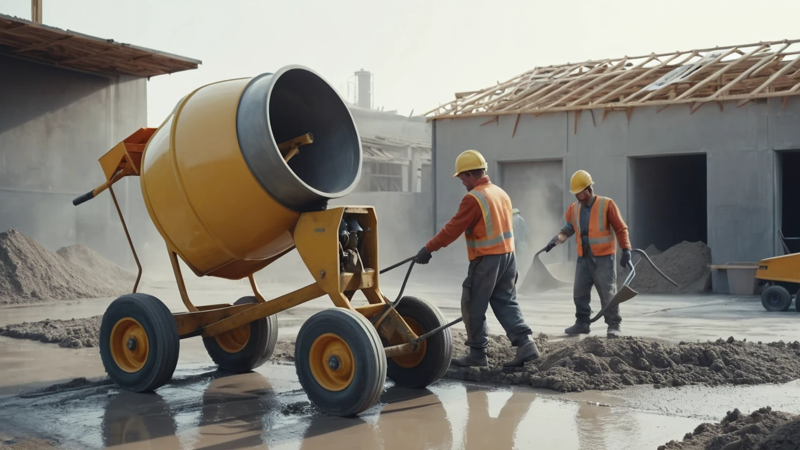
Contractors working with concrete need trowels, floats, screeds, and mixers. These tools ensure smooth finishes and strong curing. Power mixers save time when pouring foundations or slabs.
Masonry saws cut brick and stone accurately. They increase speed when installing pavers or blocks. Prioritize durable, dust-resistant models for longevity.
Material-Handling Equipment 🏗️
Carrying materials manually increases fatigue. Wheelbarrows, hand trucks, and lifting straps reduce strain. They also speed up material movement around job sites.
For heavy lifting, consider powered hoists or forklifts. These tools reduce injury risks and improve workflow efficiency. Think of them as labor-saving investments.
| Equipment | Weight Capacity | Ideal Use |
| Wheelbarrow | Medium loads | Concrete, soil, debris |
| Hand Truck | Heavy materials | Appliances, boxes, panels |
| Hoist | Very heavy lifts | Roofing, beams, machinery |
Jobsite Lighting 💡
Adequate lighting improves precision and prevents accidents. LED work lights are efficient and durable. Cordless lighting systems offer flexibility in unfinished buildings.
Magnetic and clamp-on lights are useful in tight spaces. Bright, even lighting helps with detail work. Good lighting keeps productivity high, even after sunset.
Conclusion ⭐
The best contractors don’t just rely on skill — they rely on the right tools. Quality equipment increases efficiency, accuracy, and jobsite safety. Whether you’re framing, finishing, or handling heavy materials, upgrading your toolset is an investment that pays off immediately. Start with the essentials and expand as your projects demand. The result? Better work, happier clients, and a smoother jobsite experience.
FAQs
What are the must-have tools for new contractors?
Start with a drill, saw, level, tape measure, hammer, and safety gear. These cover most basic tasks. Add specialty tools based on your trade.
How do I choose quality construction tools?
Look for durable materials, ergonomic grip, and trusted brand warranties. Test weight and balance before buying. User reviews can help guide your choice.
Are cordless tools better than corded?
Cordless tools offer mobility, while corded tools provide steady power. Use cordless for field work and corded for shop tasks. Many contractors use both.
How often should I replace drill bits and blades?
Replace them when cutting becomes slow or rough. Dull blades increase effort and risk. Keeping spares saves time.
What safety gear should every contractor use?
Wear safety glasses, gloves, boots, and hearing protection. Add respiratory masks for dusty environments. Always follow jobsite safety regulations.



Leave a Reply