


Patching concrete floor made easy with simple steps, tools, and tips to fix cracks, holes, and damage quickly and effectively.
Patching concrete floor involves cleaning, prepping, and filling damaged areas with repair material to restore strength and appearance. It prevents further cracks, improves safety, and extends floor life. With the right tools and steps, most repairs can be done easily at home.
Patching Concrete Floor: Complete DIY Guide 🛠️
Ever noticed small cracks in your concrete floor and thought, “It’s no big deal”? That tiny crack can grow fast and cost you more later.
Patching concrete floor is the best way to stop damage early. It fixes cracks, holes, and uneven spots before they get worse. The good news? You don’t need to be a pro to do it.
Let’s break it down step by step.
Why Patching Concrete Floor Matters 🧱
Concrete looks tough, but it wears down over time. Weather, weight, and moisture slowly weaken it.
Small cracks may seem harmless. But they let water seep inside. That water expands and makes cracks bigger. Over time, this can damage the whole floor.
Fixing issues early saves money and effort. It also keeps your space safe and smooth.
Signs Your Concrete Floor Needs Repair 🔍
Not sure if your floor needs patching? Look closely.
Common signs include visible cracks, chipped edges, or holes. You might also notice uneven surfaces.
Here are key warning signs:
- Cracks wider than a hairline
- Loose or flaking concrete
- Water pooling in areas
- Rough or uneven patches
Ignoring these signs can lead to bigger repairs later.
Types Of Concrete Floor Damage 🧩
Concrete damage comes in many forms. Each type needs a slightly different fix.
Hairline cracks are small and shallow. Structural cracks are deeper and more serious. Holes and spalling happen when chunks break off.
Here’s a quick overview:
| Damage Type | Description | Severity |
| Hairline Cracks | Thin surface cracks | Low |
| Deep Cracks | Wide and deep breaks | High |
| Spalling | Surface flaking or peeling | Medium |
| Holes/Pits | Missing chunks of concrete | Medium |
Understanding damage helps you choose the right repair method.
Tools And Materials You’ll Need 🧰
Before you start, gather your tools. Having everything ready saves time.
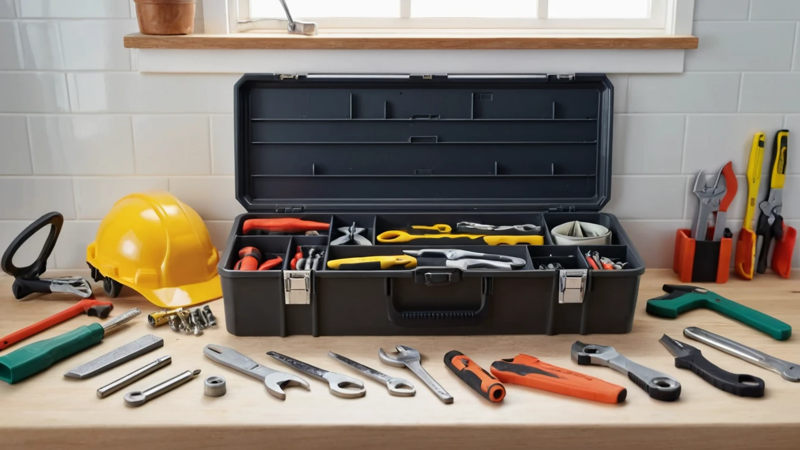
Basic tools include a trowel, brush, and chisel. You may also need a grinder for deeper cracks.
Common materials:
- Concrete patch mix
- Bonding adhesive
- Water
- Safety gloves and goggles
Using the right tools ensures a strong and lasting repair.
How To Prepare The Surface Properly 🧹
Preparation is the most important step. Skip this, and your patch may fail.
Start by cleaning the area. Remove dust, dirt, and loose debris. A stiff brush works well.
Then widen cracks slightly using a chisel. This helps the patch stick better.
Make sure the surface is damp, not soaking wet. This improves bonding.
Step-By-Step Guide To Patching Concrete Floor 🪜
Now comes the main part. Follow these steps carefully.
- Clean the damaged area
- Apply bonding adhesive
- Mix the patching compound
- Fill the crack or hole
- Smooth the surface with a trowel
Let it dry fully before walking on it.
Take your time. Rushing can weaken the repair.
Best Concrete Patch Materials To Use 🧪
Not all patch materials are the same. Choose based on damage type.
For small cracks, use a liquid filler. For larger holes, go for a thick patch mix.
Common options:
| Material Type | Best For | Dry Time |
| Liquid Filler | Hairline cracks | Fast |
| Patch Compound | Medium cracks/holes | Medium |
| Epoxy Filler | Deep cracks | Slow |
Pick wisely for long-lasting results.
How To Fix Small Cracks Easily ✨
Small cracks are the easiest to repair. You can finish them quickly.
Clean the crack and remove dust. Use a liquid filler or sealant.
Apply it carefully and let it settle. Smooth it with a putty knife.
These fixes usually dry within a few hours.
How To Repair Large Cracks And Holes 🧱
Large damage needs more effort. But it’s still doable.
Start by removing loose concrete. Make the hole slightly wider at the base.
Fill it with a patch mix in layers. Press each layer firmly.
Smooth the top and let it cure slowly. This prevents future cracks.
Common Mistakes To Avoid ❌
Many DIY repairs fail due to simple mistakes.
Avoid these common errors:
- Skipping surface cleaning
- Using the wrong material
- Not allowing proper drying time
- Applying too much water
Fixing these mistakes improves durability.
Drying And Curing Tips For Better Results ⏳
Drying is not just waiting. It’s a key step.
Keep the patched area moist for better curing. This prevents cracks.
Avoid heavy traffic for at least 24 hours. Some repairs need longer.
Patience here gives stronger results.
How Long Does Concrete Patch Last? 🕒
A good patch can last years. But it depends on quality.
Proper prep and material choice matter most. Weather conditions also play a role.
With good care, patches can last 5–10 years or more.
Regular checks help maintain the floor.
Cost Of Patching Concrete Floor 💰
Repairing concrete is cheaper than replacing it.
DIY patching costs are low. Most materials are affordable.
Here’s a rough estimate:
| Repair Type | DIY Cost Range |
| Small Cracks | $10–$30 |
| Medium Repairs | $30–$80 |
| Large Repairs | $80–$150 |
Hiring professionals costs more but saves effort.
DIY Vs Professional Concrete Repair 🤔
Should you do it yourself or hire help?
DIY is great for small fixes. It saves money and time.
Professional help is better for large damage. They have advanced tools and experience.
Choose based on your skill and the damage level.
Maintenance Tips To Prevent Future Damage 🔧
Prevention is always better than repair.
Simple habits can protect your floor:
- Seal your concrete regularly
- Clean spills quickly
- Avoid heavy impact
- Fix small cracks early
These steps extend your floor’s life.
When To Replace Instead Of Patch 🔄
Sometimes patching is not enough.
If the floor has multiple deep cracks, replacement may be better.
Also, if the structure is weak, repairs won’t last.
Know when to stop patching and consider a full upgrade.
Conclusion 🏁
Patching concrete floor is a simple yet powerful way to protect your space. It fixes damage, improves safety, and saves money in the long run.
By using the right tools, materials, and steps, you can handle most repairs yourself. Stay consistent with maintenance, and your concrete floor will last for years.
FAQs ❓
How to patch concrete floor cracks at home?
Clean the crack and remove debris. Apply a suitable filler or patch mix. Smooth the surface and let it dry completely.
What is best material for concrete floor repair?
It depends on damage size. Liquid fillers work for small cracks. Patch compounds or epoxy are better for larger repairs.
How long does concrete patch take to dry?
Most patches dry in 24 hours. Some may take longer depending on thickness. Always follow product instructions.
Can I patch concrete floor without removing old concrete?
Yes, if the surface is stable. Just clean and prepare it properly. Loose or damaged parts must be removed first.
Why does patched concrete crack again?
Poor preparation is the main reason. Using wrong materials or rushing drying can also cause cracks. Proper technique prevents this.




Leave a Reply