

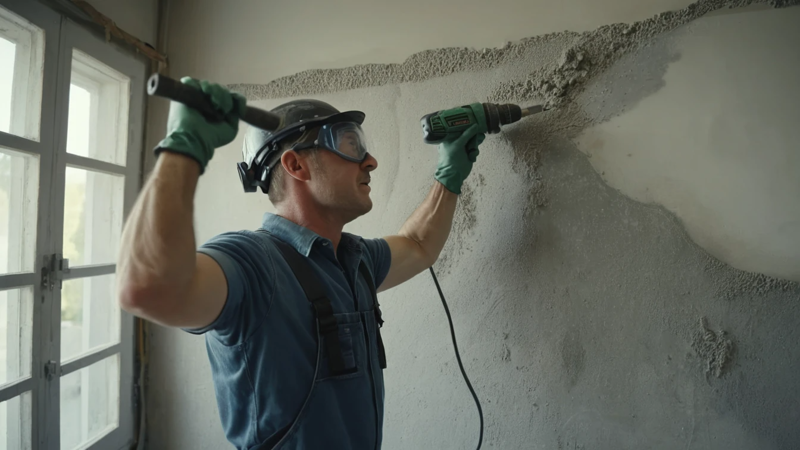
How to drill through concrete like a pro with easy steps, tools, and safety tips for clean, precise holes every time.
Drilling through concrete like a pro requires the right tools, proper technique, and patience. Use a hammer drill with masonry bits, maintain steady pressure, and follow safety practices. With step-by-step preparation and smart drilling methods, you can create clean, precise holes without damaging the surface.
How To Drill Through Concrete Like A Pro
Ever tried drilling into concrete and ended up with a smoking bit, shaky hands, and barely a dent? You’re not alone.
Drilling through concrete may look intimidating, but it’s actually simple when you know what you’re doing. The key is using the right tools, applying steady pressure, and following a structured approach. Whether you’re hanging shelves or installing anchors, mastering this skill saves time and money.
Let’s break it down step by step so you can drill like a pro—even if it’s your first time.
🔧 Why Drilling Concrete Is Different
Concrete is tough. It’s a dense mix of cement, sand, and gravel that hardens over time. That makes it much harder than wood or drywall.
Unlike softer materials, concrete resists drilling. Standard drills struggle because they only rotate. Concrete requires both rotation and a hammering action to break through effectively.
That’s why using the right technique matters. Without it, you risk overheating your drill, dulling your bit, or cracking the surface.
🧰 Tools You Need Before You Start
Before you even touch the wall, gather your tools. Having everything ready makes the job smoother and safer.
Here’s what you’ll need:
- Hammer drill or rotary hammer
- Masonry drill bits
- Safety goggles 😎
- Dust mask
- Tape measure
- Pencil or marker
- Level
Using the right tool setup is half the battle. A regular drill won’t cut it for most concrete jobs.
🛠️ Choosing The Right Drill Type
Not all drills are created equal. Choosing the right one can make your job 10x easier.
| Drill Type | Best For | Power Level | Ease Of Use |
| Standard Drill | Light-duty tasks | Low | Easy |
| Hammer Drill | Most home projects | Medium | Moderate |
| Rotary Hammer | Heavy-duty concrete | High | Advanced |
A hammer drill is perfect for most DIY projects. For thicker concrete, a rotary hammer gives better results.
🪛 Picking The Best Masonry Drill Bit
Your drill bit matters just as much as your drill.
Masonry bits have a carbide tip designed to break through tough materials. Regular bits will wear out quickly or fail entirely.
Look for these features:
- Tungsten carbide tip
- Spiral design for dust removal
- Proper size for your anchor or screw
Pro tip: Always keep a spare bit. Concrete dulls them faster than you expect.
📏 Measuring And Marking The Spot
Precision starts before drilling.
Use a tape measure to mark your exact spot. Double-check your measurements to avoid mistakes. A small error can throw off your entire project.
Mark the spot clearly with a pencil. If needed, use masking tape over the area to prevent slipping when you start drilling.
🧱 Checking For Hidden Obstacles
Before drilling, make sure you’re not hitting something important.
Concrete walls can hide:
- Electrical wires ⚡
- Plumbing pipes
- Rebar (steel reinforcement)
Use a stud finder with detection features if possible. Hitting metal or wires can damage your tools—or worse, cause injury.
⚙️ Setting Up Your Drill Correctly
Set your drill to hammer mode. This adds the pounding action needed to break concrete.
Adjust speed settings to medium. High speeds can overheat the bit, while low speeds slow progress.
Keep your drill fully charged or plugged in. Consistent power ensures smooth drilling.
🚀 Starting The Hole The Right Way
Don’t rush the start.
Place the drill bit on your marked spot. Begin at a slow speed to create a small pilot hole. This helps guide the bit and prevents slipping.
Once the hole is started, increase speed gradually. Keep the drill steady and aligned.
💪 Applying Proper Pressure
Here’s where many beginners go wrong.
You don’t need to force the drill. Let the tool do the work. Apply steady, moderate pressure.
Too much force can:
- Overheat the drill
- Break the bit
- Crack the concrete
Think of it like guiding, not pushing.
🌫️ Managing Dust While Drilling
Concrete drilling creates a lot of dust.
This dust can:
- Reduce visibility
- Harm your lungs
- Clog the drill hole
| Dust Control Method | Benefit | Ease |
| Vacuum attachment | Keeps area clean | Easy |
| Wet drilling | Reduces dust | Moderate |
| Frequent pauses | Clears debris | Simple |
Wear a dust mask and pause often to clean out debris.
🔄 Drilling Deeper Without Problems
As you drill deeper, resistance increases.
Pull the drill out every few seconds to remove dust. This keeps the hole clean and prevents overheating.
If the drill slows down, don’t force it. Let it cool and continue gradually.
🧯 Avoiding Overheating Issues
Heat is your enemy when drilling concrete.
If your drill or bit gets too hot:
- Stop immediately
- Let it cool down
- Resume after a short break
Overheating can permanently damage your tools.
⚠️ Safety Tips You Should Never Ignore
Safety isn’t optional—it’s essential.
Always:
- Wear goggles to protect your eyes
- Use gloves for better grip
- Keep both hands on the drill
“A clean hole isn’t worth an injury.”
Stay focused and avoid distractions while drilling.
🧩 Common Mistakes To Avoid
Even small mistakes can ruin your work.
Here are the most common ones:
- Using the wrong drill
- Applying too much pressure
- Skipping safety gear
- Drilling too fast
- Not clearing dust
Avoid these, and your results will improve instantly.
🧱 Drilling Into Different Concrete Types
Not all concrete is the same.
| Concrete Type | Difficulty | Recommended Tool |
| Lightweight Concrete | Easy | Hammer Drill |
| Standard Concrete | Medium | Hammer Drill |
| Reinforced Concrete | Hard | Rotary Hammer |
Knowing your material helps you choose the right approach.
🔩 Installing Anchors After Drilling
Once your hole is ready, it’s time to install anchors.
Clean out the hole completely. Insert the anchor gently, then tap it into place if needed.
Make sure it fits snugly. A loose anchor won’t hold properly.
🧼 Cleaning Up After The Job
Don’t skip cleanup.
Concrete dust spreads easily and can damage surfaces. Use a vacuum or damp cloth to clean the area.
Store your tools properly. Clean drill bits last longer and perform better next time.
🏁 Final Thoughts On Mastering Concrete Drilling
Drilling through concrete doesn’t have to feel like a battle.
With the right tools, proper technique, and a bit of patience, you can achieve clean, precise holes every time. Focus on steady pressure, correct drill settings, and safety.
Once you practice a few times, it becomes second nature.
❓ FAQs
How To Drill Through Concrete Without Cracking It?
Use a hammer drill with steady pressure. Start slow and avoid forcing the bit. Keeping the drill aligned prevents cracks.
What Is The Best Drill For Concrete Walls?
A hammer drill works best for most jobs. For thicker concrete, a rotary hammer is ideal. Choose based on project size.
How Long Does It Take To Drill Concrete?
It depends on thickness and tool power. Most holes take 30 seconds to a few minutes. Patience improves results.
Can I Drill Concrete With A Regular Drill?
You can, but it’s not effective. A regular drill lacks hammer action. It may damage your bit or fail entirely.
How Do I Know If I Hit Rebar While Drilling?
You’ll feel sudden resistance and hear a metallic sound. Stop immediately and switch to a metal bit if needed. Avoid forcing through it.

Leave a Reply