

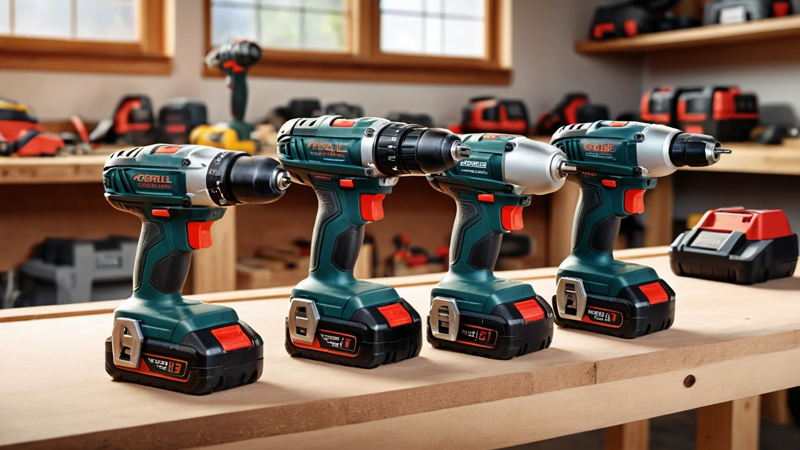
How to choose the right power tool battery with simple tips on voltage, capacity, and compatibility for better performance and longer life.
Choosing the right power tool battery depends on voltage, capacity (Ah), compatibility, and usage needs. Higher voltage means more power, while higher amp-hours provide longer runtime. Always match the battery with your tool system and consider lithium-ion options for better efficiency and lifespan.
How To Choose The Right Power Tool Battery 🔋
Ever grabbed a power tool battery thinking “they all work the same,” only to find your tool underperforming—or worse, not working at all?
Here’s the truth: not all batteries are created equal. Picking the wrong one can reduce performance, shorten tool life, and cost you more in the long run.
To choose the right power tool battery, focus on voltage (power), amp-hours (runtime), compatibility, and battery type. These factors determine how well your tool performs and how long it runs.
Let’s break it down in a simple, practical way so you can choose confidently.
What Is A Power Tool Battery? ⚡
A power tool battery is the energy source that runs your cordless tools. It stores electrical energy and delivers it when needed. Without it, your cordless drill or saw is just dead weight.
Most modern batteries use advanced technology like lithium-ion. These batteries are lighter, more efficient, and longer-lasting than older types. They also recharge faster, which saves time on the job.
Think of the battery as the “fuel tank” of your tool. A better battery means smoother performance, longer use, and less frustration.
Why Choosing The Right Battery Matters 🔍
Choosing the wrong battery can lead to weak performance. Your tool may slow down, overheat, or stop unexpectedly. That’s not just annoying—it can ruin your work.
A good battery ensures consistent power delivery. It helps your tool perform at its best, whether you’re drilling, cutting, or sanding.
💡 “The right battery doesn’t just power your tool—it protects your investment.”
Understanding Battery Voltage ⚡
Voltage determines how powerful your tool will be. Higher voltage means more power. It’s that simple.
For example, a 12V battery is great for light tasks. A 20V or higher battery works better for heavy-duty jobs like cutting hardwood or metal.
Quick Voltage Guide:
| Voltage | Best For | Power Level |
| 12V | Light DIY tasks | Low |
| 18V/20V | Most home projects | Medium |
| 36V+ | Professional use | High |
Choosing the right voltage depends on your work. Don’t go too low—or too high if you don’t need it.
What Does Amp-Hour (Ah) Mean? 🔋
Amp-hour (Ah) measures battery capacity. It tells you how long the battery will last before needing a recharge.
A higher Ah rating means longer runtime. For example, a 5Ah battery lasts longer than a 2Ah battery.
But there’s a trade-off. Higher Ah batteries are heavier and more expensive. So balance runtime with comfort.
Voltage Vs Amp-Hours: Key Differences ⚖️
Voltage and amp-hours work together but serve different roles.
- Voltage = Power
- Amp-hours = Runtime
Here’s a simple comparison:
| Feature | Voltage | Amp-Hours |
| Purpose | Power output | Battery life |
| Impact | Tool strength | How long it runs |
| Example | 20V drill | 4Ah battery |
Understanding both helps you make smarter decisions.
Types Of Power Tool Batteries 🔌
There are three main types of batteries used in power tools:
- Nickel-Cadmium (NiCd)
- Nickel-Metal Hydride (NiMH)
- Lithium-Ion (Li-ion)
Each has its pros and cons. But today, lithium-ion dominates the market.
Lithium-Ion Batteries: The Best Choice? 🚀
Lithium-ion batteries are the most popular—and for good reason.
They are lightweight and powerful. They also hold a charge longer and recharge quickly. Plus, they don’t suffer from memory effect.
✔ Benefits include:
- Longer lifespan
- Faster charging
- Better efficiency
If you want reliability and performance, lithium-ion is usually the best option.
Checking Compatibility With Your Tool 🔧
Not all batteries fit all tools. Even within the same brand, compatibility can vary.
Always check your tool’s specifications. Look for battery series or platform details. Many brands use a shared battery system, which is a big plus.
⚠️ Using the wrong battery can damage your tool.
Brand Ecosystems And Battery Platforms 🏗️
Many brands offer battery platforms. This means one battery works across multiple tools.
For example, a single battery can power drills, saws, and even lawn equipment.
Benefits include:
- Cost savings
- Convenience
- Easy swapping
Stick with one brand if you plan to expand your tool collection.
Battery Size And Weight Considerations ⚖️
Bigger batteries last longer but weigh more. This can affect comfort, especially during long tasks.
A heavy battery may cause fatigue. That’s a big deal if you’re working overhead or for hours.
Choose a size that balances runtime and comfort.
How Runtime Impacts Your Work ⏱️
Runtime affects productivity. A battery that dies quickly slows you down.
If you work continuously, choose higher Ah batteries. If you use tools occasionally, a smaller battery is fine.
💡 “Longer runtime means fewer interruptions—and more work done.”
Charging Time And Efficiency ⚡
Charging time varies by battery type and charger.
Fast chargers can refill batteries in under an hour. Standard chargers may take longer.
Charging Comparison:
| Battery Type | Charge Time | Efficiency |
| NiCd | Slow | Low |
| NiMH | Medium | Moderate |
| Li-ion | Fast | High |
Faster charging keeps your workflow smooth.
Battery Lifespan And Durability 🛠️
A good battery lasts for years. But lifespan depends on usage and care.
Lithium-ion batteries typically last longer than older types. They also handle more charge cycles.
Avoid extreme temperatures. Store batteries properly to extend their life.
Safety Features To Look For 🔒
Modern batteries come with built-in safety features.
Look for:
- Overcharge protection
- Overheat protection
- Short-circuit protection
These features protect both you and your tool.
Budget Vs Performance: What To Choose 💰
It’s tempting to go cheap—but that can backfire.
Low-cost batteries may fail quickly. They may also deliver inconsistent power.
Invest in quality. A reliable battery saves money over time.
Tips To Maintain Your Power Tool Battery 🧰
Proper care extends battery life.
Follow these tips:
- Don’t overcharge
- Avoid deep discharges
- Store in a cool, dry place
- Clean battery contacts regularly
Taking care of your battery ensures consistent performance.
Common Mistakes To Avoid ❌
Many people make simple mistakes when choosing batteries.
Avoid these:
- Ignoring compatibility
- Choosing low Ah for heavy tasks
- Buying cheap, unbranded batteries
- Overlooking safety features
Learning from these mistakes can save time and money.
When To Replace Your Battery 🔄
Batteries don’t last forever.
Signs you need a replacement:
- Short runtime
- Slow charging
- Overheating
- Reduced power
If you notice these, it’s time for a new battery.
Quick Checklist Before Buying ✔️
Before you buy, ask yourself:
- What voltage do I need?
- How long should it last?
- Is it compatible with my tool?
- Do I need a lightweight option?
- Is it from a trusted brand?
This checklist makes decision-making easier.
Conclusion 🎯
Choosing the right power tool battery isn’t complicated—but it does require attention to detail.
Focus on voltage for power, amp-hours for runtime, and compatibility for safety. Lithium-ion batteries are usually the best choice for most users.
Invest in quality, maintain your battery well, and you’ll get better performance and longer life from your tools. A smart choice today saves frustration tomorrow.
FAQs ❓
What Battery Size Is Best For Cordless Drill?
A 12V battery works for light tasks. For general use, 18V or 20V is ideal. Choose higher voltage for heavy-duty work.
How Long Does Power Tool Battery Last?
Most lithium-ion batteries last 2–5 years. Lifespan depends on usage and care. Proper storage can extend life.
Can I Use Higher Ah Battery In My Tool?
Yes, if it’s compatible with your tool. Higher Ah gives longer runtime. It may add extra weight.
Why My Battery Drains So Fast?
It may be old or damaged. Heavy use also drains it quickly. Check for overheating or charging issues.
Is Lithium Ion Better For Power Tools?
Yes, lithium-ion batteries are more efficient. They charge faster and last longer. They are also lighter and more reliable.


Leave a Reply