

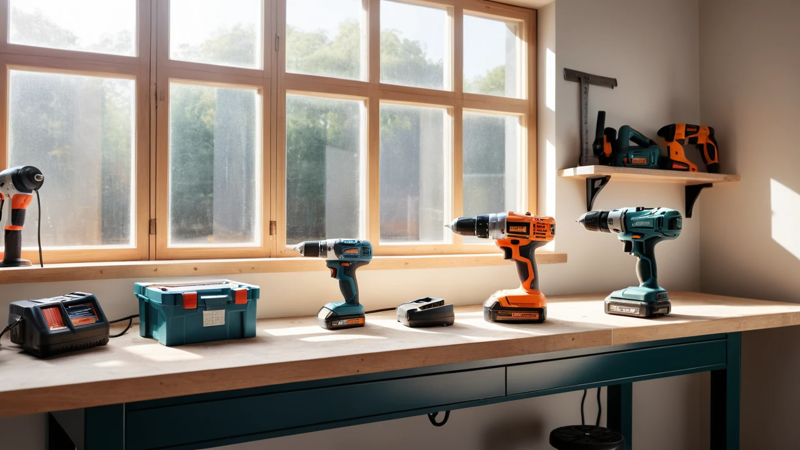
Top power tools every DIYer should own for easy projects, faster work, and better results. Discover must-have tools for beginners and pros.
Looking to upgrade your DIY game but not sure which tools truly matter? If you want to build, fix, or create at home, having the right power tools is a must. The best DIY power tools help you work faster, safer, and with better results. From drilling holes to cutting wood, these tools make projects easier and more fun.
Top Power Tools Every DIYer Should Own
⭐ What Makes Power Tools Essential For DIYers?
Power tools are not just for professionals anymore. Today, every DIYer can use them easily. They save time, reduce effort, and improve accuracy. Instead of struggling with manual tools, you can finish tasks quickly.
Think about drilling a hole with a hand tool. It takes time and energy. Now imagine using a power drill. It’s faster, smoother, and cleaner. That’s the difference power tools bring.
Also, modern tools are designed for beginners. Many come with safety features and simple controls. So even if you’re new, you can use them confidently.
🔧 Corded Vs Cordless Tools: Which One To Choose?
Before buying tools, you need to decide between corded and cordless. Both have their pros and cons. The right choice depends on your needs.
Corded tools offer constant power. You don’t need to worry about batteries. They are great for heavy-duty work. But they limit movement because of the cord.
Cordless tools give freedom. You can move anywhere without hassle. They are perfect for small to medium projects. However, you must charge batteries regularly.
| Feature | Corded Tools | Cordless Tools |
| Power | Consistent | Battery-dependent |
| Mobility | Limited | High |
| Best For | Heavy tasks | Flexible use |
| Maintenance | Low | Battery care needed |
🛠️ Power Drill: The Ultimate Must-Have Tool
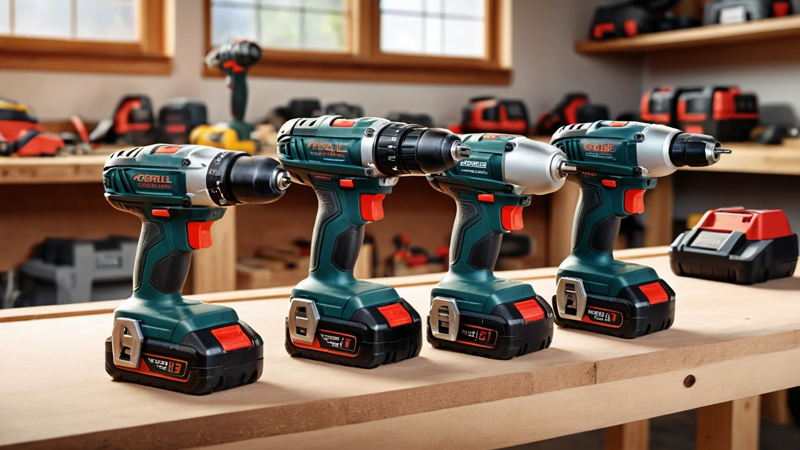
A power drill is the heart of any DIY toolkit. It helps you drill holes and drive screws easily. Whether you’re hanging shelves or assembling furniture, this tool is essential.
Most drills come with adjustable speed settings. This gives you control for different materials. You can use it on wood, metal, and even plastic.
If you’re just starting, choose a cordless drill. It’s lightweight and easy to handle. Once you get used to it, you’ll use it for almost every project.
⚡ Impact Driver: More Power For Tough Jobs
An impact driver looks similar to a drill, but it’s more powerful. It is designed for driving long screws and bolts. If you work with hardwood or thick materials, this tool is a game-changer.
It uses rotational force with quick bursts. This reduces strain on your wrist. You can work longer without fatigue.
Many DIYers skip this tool at first. But once they try it, they never go back. It makes tough jobs feel easy.
🔪 Circular Saw: Fast And Clean Cuts
Need to cut wood quickly? A circular saw is your best friend. It makes straight cuts with precision and speed. Perfect for building furniture or cutting plywood.
Unlike hand saws, it saves a lot of time. You can complete large projects faster. Just guide the blade along your cut line.
Safety is important here. Always wear gloves and goggles. With proper care, this tool becomes incredibly reliable.
🧰 Jigsaw: For Curves And Creative Cuts
While circular saws handle straight lines, jigsaws shine in curves. If your project involves shapes or designs, this tool is ideal.
It moves the blade up and down quickly. This allows you to cut intricate patterns. Great for decorative projects and custom work.
Beginners love jigsaws because they are easy to control. You can take your time and follow curves smoothly.
🪚 Essential Cutting Tools Comparison
| Tool Type | Best Use | Skill Level |
| Circular Saw | Straight cuts | Medium |
| Jigsaw | Curved cuts | Beginner |
| Handsaw | Basic cutting | Beginner |
🔥 Angle Grinder: Multi-Purpose Power Tool
An angle grinder is one of the most versatile tools. It can cut, grind, polish, and even sharpen tools. That’s why many DIYers love it.
You can use it on metal, tiles, and stone. Just switch the disc based on your task. This flexibility makes it a must-have.
However, it’s a powerful tool. Always use safety gear. Once you learn it, you’ll find endless uses for it.
🌪️ Random Orbital Sander: Smooth Finishes Made Easy
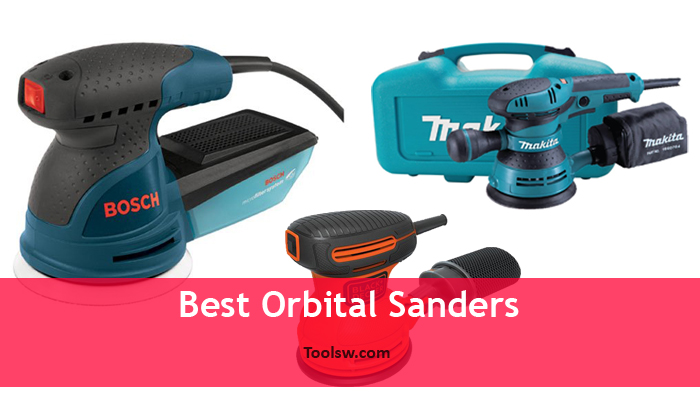
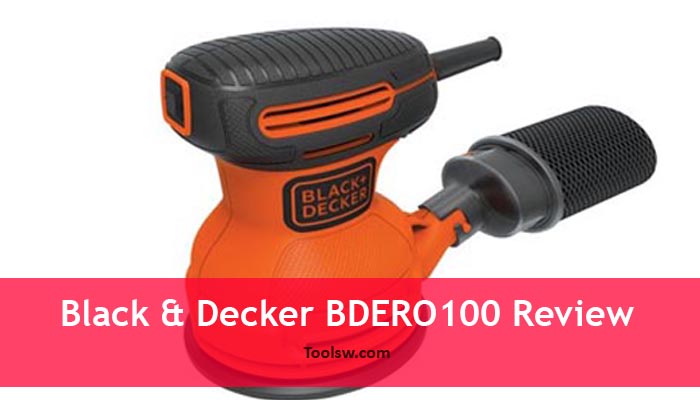
Want a smooth, professional finish? A random orbital sander is your answer. It removes rough edges and prepares surfaces for painting.
Unlike manual sanding, it saves time and effort. The random motion prevents swirl marks. This gives a clean, even finish.
It’s perfect for furniture projects. If you love woodworking, this tool is essential.
🔩 Nail Gun: Speed Up Your Projects
Hammering nails can be slow and tiring. A nail gun changes everything. It drives nails quickly with precision.
This tool is great for framing, furniture, and repairs. It saves hours of work. Plus, it reduces hand strain.
There are different types of nail guns. Choose one based on your project size. Even beginners can use it with ease.
💡 Oscillating Multi-Tool: The All-In-One Solution
If you want one tool that does many jobs, pick this one. An oscillating tool can cut, sand, scrape, and grind.
It’s perfect for small, detailed tasks. You can reach tight spaces easily. This makes it super useful for home repairs.
DIYers love its versatility. It’s like having multiple tools in one compact device.
🧱 Power Tools For Beginners Vs Advanced Users
| Level | Recommended Tools |
| Beginner | Drill, Jigsaw, Sander |
| Intermediate | Circular Saw, Impact Driver |
| Advanced | Angle Grinder, Nail Gun, Multi-tool |
⚙️ How To Choose The Right Power Tools
Choosing tools can feel overwhelming. But it becomes easy if you follow a few tips. First, think about your projects. What tasks will you do most?
Next, consider your budget. You don’t need everything at once. Start with basics and upgrade later.
Also, check comfort and weight. A tool should feel good in your hand. This helps you work longer without strain.
🛡️ Safety Tips Every DIYer Should Follow
Power tools are helpful, but safety comes first. Always read the manual before use. Understand how the tool works.
Wear protective gear like gloves and goggles. Avoid loose clothing while working. Keep your workspace clean.
Never rush your work. Slow and steady is safer. As they say, “Measure twice, cut once.” ⚠️
🧠 Smart Storage And Maintenance Tips
Good tools last longer with proper care. Always clean them after use. Remove dust and debris.
Store them in a dry place. Moisture can damage tools. Use toolboxes or wall racks for organization.
Also, check batteries and cords regularly. This ensures safety and performance.
💰 Budget-Friendly Tool Buying Tips
You don’t need to spend a fortune. Start with essential tools first. Look for combo kits to save money.
Consider these tips:
- Buy during sales or discounts
- Choose trusted brands
- Avoid very cheap tools (they may break quickly)
- Invest in quality over quantity
Smart buying helps you build a strong toolkit over time.
🚀 Expanding Your DIY Toolkit Over Time
Once you master basic tools, you can upgrade. Add advanced tools based on your needs. This helps you take on bigger projects.
For example:
- Start with a drill
- Add a saw
- Then upgrade to specialized tools
This step-by-step approach keeps things simple and affordable.
🧾 Conclusion: Build Smarter, Not Harder
Power tools make DIY projects faster, easier, and more enjoyable. Start with the basics like a drill and saw. Then expand your toolkit over time.
Focus on quality, safety, and comfort. With the right tools, you can handle almost any project. So go ahead—build, fix, and create with confidence! 🔧✨
❓ FAQs
What power tools should beginners buy first?
Start with a drill, jigsaw, and sander. These tools cover most basic tasks. They are easy to use and very versatile.
How many power tools do I need for DIY?
You only need 3 to 5 tools to start. Focus on essential tools first. Expand as your projects grow.
Are cordless tools better for home use?
Yes, cordless tools are easier to handle. They offer better mobility. Perfect for small and medium DIY projects.
Which power tool is most useful at home?
A power drill is the most useful tool. It handles drilling and screwing tasks. Almost every project needs it.
How do I maintain my power tools properly?
Clean tools after each use. Store them in a dry place. Check parts regularly for wear and damage.


Leave a Reply