

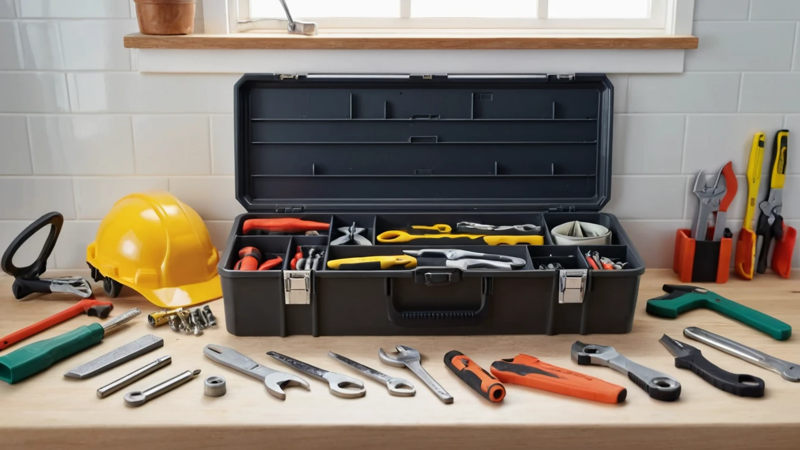
How to create a DIY home repair kit with essential tools, smart organization tips, and budget-friendly ideas for quick fixes and stress-free home maintenance.
Creating a DIY home repair kit means gathering essential tools, safety items, and repair supplies in one organized place. A well-prepared kit helps you handle quick fixes, save money, and reduce stress during everyday home emergencies or small maintenance tasks.
Ever had a loose door handle at midnight or a leaky faucet right before guests arrive? 😬 That’s when having the right tools nearby feels like a lifesaver.
A DIY home repair kit is a simple, smart solution. It keeps you ready for common household fixes without panic or last-minute store runs. Let’s walk through exactly how to build one that works for real life—not just picture-perfect homes.
How To Create A DIY Home Repair Kit 🧰
Understand Why Every Home Needs A Repair Kit 🏠
A DIY home repair kit gives you control. Small issues won’t turn into big headaches. Instead of waiting for help, you can act fast.
Minor repairs happen often. Loose screws, squeaky doors, or clogged drains pop up unexpectedly. Having tools ready saves time and frustration.
It also saves money. Quick fixes done early prevent costly damage later. Think of it as home insurance you can hold in your hands.
Know The Search Intent Behind DIY Repair Kits 🔍
Most people want practical help, not theory. They’re searching for tools they truly need and how to store them.
They want a simple checklist. They want beginner-friendly advice. And they want something affordable and realistic.
This guide focuses on real homes, real problems, and real solutions. No fluff. Just useful steps you can follow today.
Choose The Right Container For Your Kit 📦
Your kit needs a home. The container should be sturdy, portable, and easy to open.
Toolboxes work well. Plastic bins are budget-friendly. Even a backpack can do the job for apartments.
Look for compartments. Organization matters when stress is high. You don’t want to dig around during an emergency.
Stock Essential Hand Tools First 🔧
Hand tools are the backbone of any DIY repair kit. These tools handle most everyday fixes.
Start small. You don’t need professional gear. Focus on versatility and comfort.
Must-have hand tools include:
- Claw hammer
- Flathead and Phillips screwdrivers
- Adjustable wrench
- Pliers
- Tape measure
- Utility knife
These tools cover most household tasks with ease 👍
Power Tools: Optional But Helpful ⚡
Power tools aren’t required, but they speed things up. A cordless drill is a game changer.
Choose lightweight models. Battery-powered tools offer flexibility and safety for beginners.
Only add power tools if you’ll use them. A simple kit is better than clutter.
Include Fasteners And Small Hardware 🧱
Fasteners disappear quickly. Keeping extras prevents delays during repairs.
Store them in labeled containers. Organization saves time and sanity.
Here’s a handy breakdown of common hardware items:
| Item Type | Best Use | Why It Matters |
| Screws | Furniture, hinges | Strong hold |
| Nails | Light fixtures | Quick fixes |
| Wall Anchors | Drywall | Extra support |
| Washers | Bolts | Even pressure |
Small pieces make a big difference.
Add Basic Plumbing Repair Supplies 🚰
Plumbing problems cause panic fast. A few items can stop damage quickly.
Focus on emergency control, not major repairs. Temporary fixes buy you time.
Include these plumbing basics:
- Plumber’s tape
- Drain snake
- Rubber washers
- Adjustable pipe wrench
These tools handle leaks, drips, and clogs with ease.
Don’t Forget Electrical Safety Tools ⚡
Electrical fixes should be simple and safe. Never attempt complex wiring without help.
Basic tools help with switches, outlets, and fixtures. Safety comes first—always.
Add insulated screwdrivers and voltage testers. They protect you from hidden risks.
Stock Safety Gear For Every Repair 🦺
Safety isn’t optional. Even small fixes can cause injury.
Protective gear gives confidence. It also prevents accidents that slow you down.
Essential safety items include:
- Work gloves
- Safety goggles
- Dust mask
- First-aid kit
Being prepared keeps repairs stress-free.
Keep Adhesives And Sealants Handy 🧪
Adhesives fix more than you think. They’re quick, clean, and versatile.
Choose products with multiple uses. Read labels to avoid damage.
| Product | Best For | Tip |
| Duct Tape | Temporary fixes | Always handy |
| Wood Glue | Furniture | Strong bond |
| Silicone Caulk | Bathrooms | Waterproof |
| Super Glue | Small breaks | Fast hold |
These items solve problems in seconds.
Add Cleaning And Prep Supplies 🧽
Good repairs start with clean surfaces. Prep work improves results.
Dust, grease, and grime weaken fixes. Cleaning first makes repairs last longer.
Include rags, sponges, and mild cleaners. They’re small but powerful helpers.
Organize Everything For Fast Access 🗂️
Organization saves time during emergencies. A messy kit causes frustration.
Use labels. Group items by category. Keep frequently used tools on top.
Clear systems make DIY repairs feel simple and manageable.
Store Your Kit In A Smart Location 📍
Accessibility matters. Store your kit where you can reach it quickly.
Avoid damp areas. Moisture damages tools and supplies.
A closet, garage shelf, or laundry room works well. Keep it visible but tidy.
Customize Your Kit For Your Home Type 🏡
Every home is different. Apartments, condos, and houses need unique tools.
Think about your most common issues. Customize accordingly.
For example, renters may need wall repair tools. Homeowners may focus on outdoor fixes.
Budget-Friendly Tips For Building Your Kit 💰
You don’t need to buy everything at once. Start small and build over time.
Buy multipurpose tools. Avoid cheap tools that break quickly.
Watch for sales. Borrow rarely used items. Smart choices save money.
Maintain And Update Your Kit Regularly 🔄
A kit only works if it’s ready. Check it every few months.
Replace used items. Recharge batteries. Toss dried adhesives.
Regular upkeep keeps your kit reliable when it matters most.
Teach Your Family How To Use It 👨👩👧
A kit is more useful when everyone knows it exists.
Show family members where it’s stored. Teach basic tool safety.
Confidence grows when everyone knows how to handle small fixes.
Final Thoughts On Building A DIY Repair Kit ⭐
A DIY home repair kit gives peace of mind. It helps you act fast and stay calm.
You don’t need expert skills. Just the right tools and simple organization.
Build it once. Maintain it often. And enjoy a home that feels easier to manage.
FAQs ❓
What tools should every DIY home repair kit include?
Every kit should include basic hand tools, safety gear, fasteners, and adhesives. These cover most common home repairs. Focus on versatility and quality.
How much does it cost to build a DIY repair kit?
A basic kit can cost under $50. You can add items over time. Start with essentials and expand as needed.
Where should I store my home repair kit?
Store it in a dry, easy-to-access location. Closets, garages, or laundry rooms work well. Avoid damp areas.
Can renters have a DIY home repair kit?
Yes, renters benefit greatly from basic repair kits. Focus on wall repairs, furniture fixes, and safety tools. Avoid permanent modifications.
How often should I check my DIY repair kit?
Check your kit every three to six months. Replace used items and test tools. Regular checks keep it ready.





Leave a Reply