

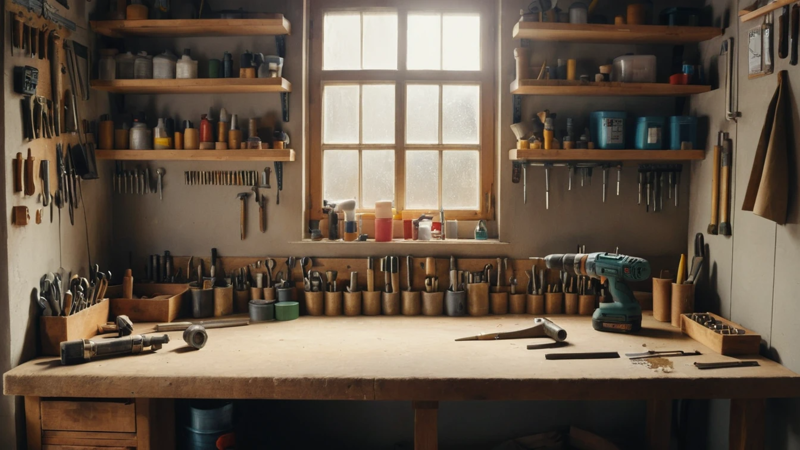
How often should you service your tools? Learn simple schedules, tips, and signs to keep tools safe, efficient, and long-lasting.
You should service your tools every 3–12 months depending on usage. Heavy-use tools need monthly checks, while occasional tools can be serviced yearly. Regular cleaning, lubrication, and inspections prevent breakdowns, extend lifespan, and keep performance consistent.
How Often Should You Service Your Tools? 🛠️
Ever had a tool fail right when you needed it most? Frustrating, right? That’s usually not bad luck—it’s poor maintenance. Tools don’t just break randomly. They give signs. And if you service them regularly, they last longer, work better, and save you money.
So here’s the simple truth: there’s no one-size-fits-all schedule. The right timing depends on how often you use your tools, what type they are, and the environment you use them in.
Let’s break it down in a way that’s easy to follow 👇
Why Tool Servicing Matters More Than You Think 🔧
Tools are like your teammates. If they’re not in good shape, your work suffers. Poor maintenance leads to weak performance, safety risks, and costly repairs.
When you service your tools regularly, you avoid sudden breakdowns. You also maintain precision and efficiency. That means smoother cuts, tighter bolts, and faster results.
Think about it like this:
- A clean tool works faster
- A lubricated tool lasts longer
- A checked tool stays safe
Skipping maintenance is like driving a car without oil changes. It might work for a while—but not for long.
The General Rule: How Often Is Enough? ⏱️
Here’s a simple guideline most professionals follow:
- Daily use tools: Check weekly, service monthly
- Weekly use tools: Service every 3–6 months
- Rare use tools: Service once a year
This isn’t a strict rule. It’s a starting point. You should adjust based on how hard you use the tool.
Tool Servicing Frequency Guide
| Usage Level | Inspection Frequency | Full Service |
| Heavy (Daily) | Weekly | Monthly |
| Moderate (Weekly) | Monthly | 3–6 months |
| Light (Rare) | Before use | Yearly |
👉 If your tool works hard, it needs more care. Simple as that.
Different Tools Need Different Care ⚙️
Not all tools are the same. A hammer doesn’t need the same care as a drill.
Here’s a quick breakdown:
- Hand tools: Basic cleaning and rust prevention
- Power tools: Cleaning, lubrication, and electrical checks
- Garden tools: Sharpening and rust protection
- Precision tools: Calibration and careful storage
Each type has its own needs. Ignoring this can reduce performance fast.
Signs Your Tools Need Immediate Servicing 🚨
Sometimes, you don’t need a schedule. Your tool will tell you something is wrong.
Watch out for these warning signs:
- Strange noises or vibrations
- Reduced power or performance
- Visible rust or dirt buildup
- Overheating
- Loose or worn parts
If you notice any of these, don’t wait. Fix it right away.
💡 Ignoring small problems leads to big repairs later.
Daily Maintenance Habits That Save You Big 💡
You don’t always need a full service. Small daily habits go a long way.
After each use:
- Wipe off dust and debris
- Store tools in a dry place
- Check for visible damage
- Keep moving parts clean
These habits take just minutes. But they can double your tool’s life.
Weekly And Monthly Maintenance Checklist 📝
Consistency is key. Set a simple routine you can follow.
Weekly Tasks:
- Inspect for damage
- Tighten loose screws
- Clean thoroughly
Monthly Tasks:
- Lubricate moving parts
- Check electrical cords
- Replace worn parts
Maintenance Checklist Overview
| Task Type | Key Actions |
| Cleaning | Remove dust, wipe surfaces |
| Inspection | Check cracks, loose parts |
| Lubrication | Oil moving components |
| Replacement | Change worn-out parts |
👉 A checklist keeps you consistent and stress-free.
How Environment Affects Service Frequency 🌦️
Where you use your tools matters a lot.
If you work in:
- Dusty areas: Clean more often
- Humid places: Watch for rust
- Outdoor conditions: Check after each use
Harsh environments wear tools faster. So adjust your servicing schedule.
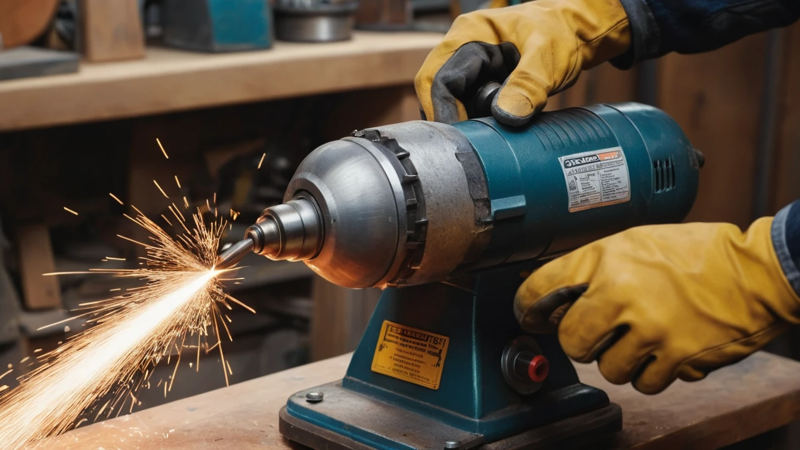
Power Tools Need Extra Attention ⚡
Power tools are more complex. That means more care.
They have motors, wires, and moving parts. If one part fails, the whole tool can stop working.
Key maintenance steps:
- Clean vents regularly
- Check brushes and cords
- Lubricate gears
⚠️ Never ignore electrical issues. They can be dangerous.
Hand Tools: Simple But Important Care 🔨
Hand tools may seem tough. But they still need care.
Without maintenance, they can rust, dull, or break.
Basic care tips:
- Keep them dry
- Sharpen blades regularly
- Apply light oil coating
Even a simple wrench works better when clean and rust-free.
Seasonal Servicing: A Smart Strategy 📅
A great way to stay consistent is seasonal servicing.
At the start of each season:
- Inspect all tools
- Deep clean everything
- Replace damaged parts
This works especially well for:
- Garden tools
- Outdoor equipment
- Seasonal machinery
👉 Think of it as a reset every few months.
Professional Servicing Vs DIY Maintenance 🤔
Should you service tools yourself or hire a professional?
DIY Works Best For:
- Cleaning
- Basic inspections
- Lubrication
Professional Help Needed For:
- Electrical repairs
- Motor issues
- Calibration
DIY vs Professional Comparison
| Aspect | DIY Maintenance | Professional Service |
| Cost | Low | Higher |
| Skill Needed | Basic | Advanced |
| Time | Quick | Longer |
| Accuracy | Moderate | High |
👉 Use both when needed. Don’t risk complex repairs.
Lubrication: The Secret To Longer Tool Life 🛢️
Friction is your tool’s enemy. Lubrication fixes that.
When parts move smoothly, they last longer. They also work more efficiently.
Tips:
- Use the right oil
- Don’t over-lubricate
- Apply regularly
💡 A few drops of oil can save you hundreds of dollars.
Cleaning Techniques That Actually Work 🧼
Cleaning isn’t just wiping dust. It’s about removing buildup.
Effective methods:
- Use compressed air for tight spots
- Use a brush for stubborn dirt
- Wipe with a dry cloth
Avoid water on electrical tools. It can cause damage.
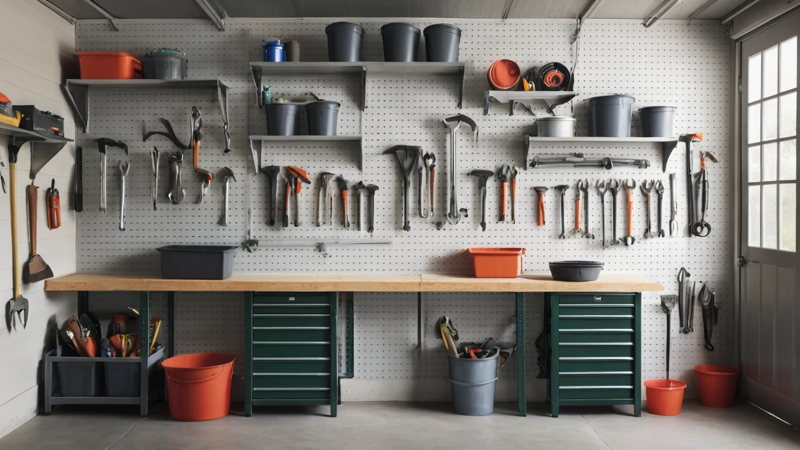
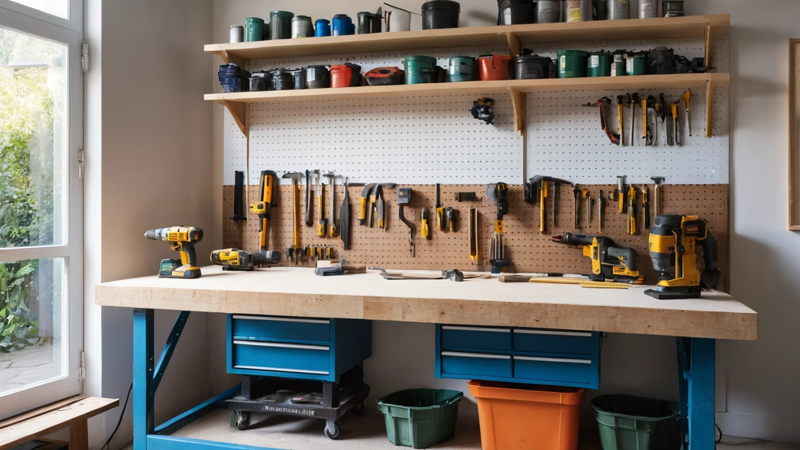
Storage Tips That Reduce Servicing Needs 📦
Good storage means less maintenance.
Keep tools:
- In a dry, cool place
- Away from dust and moisture
- Organized properly
Use toolboxes or racks. This prevents damage and saves time.
👉 Proper storage is half the maintenance work done.
Cost Of Ignoring Tool Maintenance 💸
Skipping servicing may save time now. But it costs more later.
You might face:
- Expensive repairs
- Tool replacement
- Work delays
Regular maintenance is always cheaper than fixing major damage.
💬 “Take care of your tools, and they will take care of your work.”
Creating A Personalized Tool Maintenance Plan 🧠
Everyone uses tools differently. So create your own plan.
Steps to follow:
- List your tools
- Note usage frequency
- Set service intervals
- Track maintenance dates
This keeps you organized and stress-free.
Common Mistakes To Avoid 🚫
Many people damage tools without realizing it.
Avoid these mistakes:
- Skipping regular checks
- Using wrong lubricants
- Storing tools improperly
- Ignoring small issues
Fixing habits is easier than fixing tools.
Conclusion: Keep It Simple, Stay Consistent ✅
So, how often should you service your tools? It depends on how you use them. But one thing is clear—regular maintenance is non-negotiable.
Stick to a simple routine. Watch for warning signs. Adjust based on usage. When you do this, your tools will last longer, perform better, and save you money.
👉 Take care of your tools today, and they won’t fail you tomorrow.
FAQs
How often should I service tools used daily?
You should inspect them weekly and service them monthly. Daily use causes faster wear. Regular checks prevent sudden breakdowns.
How do I know my tools need servicing soon?
Look for noise, overheating, or reduced performance. These are early warning signs. Fix them before they worsen.
Can I service power tools at home?
Yes, for basic cleaning and lubrication. Avoid complex electrical repairs. For those, use a professional.
What happens if I skip tool maintenance?
Tools wear out faster and may break suddenly. Repairs become costly. It also affects safety and performance.
Is yearly servicing enough for all tools?
No, only for rarely used tools. Frequently used tools need more attention. Always adjust based on usage.

Leave a Reply