

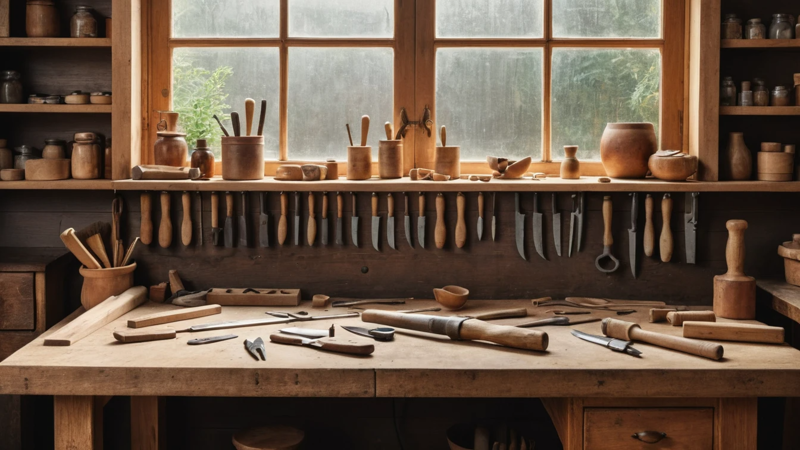
How to sharpen and maintain your hand tools for longer life, better performance, and safer use with simple, practical tips anyone can follow.
Sharpening and maintaining your hand tools keeps them safe, efficient, and long-lasting. Regular cleaning, proper sharpening, and correct storage can extend tool life, improve performance, and save money over time. With simple steps, anyone can keep tools in top condition.
How To Sharpen And Maintain Your Hand Tools
Ever noticed how a dull tool makes even simple work feel frustrating and slow?
Here’s the truth: sharp, well-maintained tools don’t just make work easier—they make it safer and more enjoyable. When your tools are in good shape, you use less force, get better results, and avoid accidents.
Let’s break everything down into simple, easy steps so you can care for your tools like a pro 🔧
Why Sharp Tools Matter 🔪
Sharp tools cut cleanly and smoothly. They require less effort, which means less strain on your hands and body.
Dull tools, on the other hand, can slip and cause injuries. They tear materials instead of cutting them. This leads to poor results and wasted time.
Keeping tools sharp improves precision. Whether you’re woodworking or gardening, clean cuts always look better.
It also saves money. Sharp tools last longer and reduce the need for replacements.
Signs Your Tools Need Sharpening ⚠️
Not sure when to sharpen your tools? Your tools will tell you.
If you notice rough cuts or tearing, it’s time. Increased effort is another sign. You shouldn’t struggle with basic tasks.
Watch for these signs:
- Uneven or jagged cuts
- Slipping while cutting
- Burn marks on wood
- Increased pressure needed
Ignoring these signs can damage your tools permanently.
Essential Tools For Sharpening 🧰
Before you begin, you need the right tools.
Different tools require different sharpening methods. But a few basics work for most tools.
Here’s what you should have:
- Whetstones (oil or water stones)
- Sharpening files
- Honing guides
- Strops (leather strips)
- Grinding wheels
Using the correct tool makes sharpening easier and more effective.
Types Of Hand Tools You Can Sharpen 🔨
Not all tools are the same. Each type needs a slightly different approach.
Most common tools you can sharpen include:
- Chisels
- Plane irons
- Knives
- Axes
- Pruners
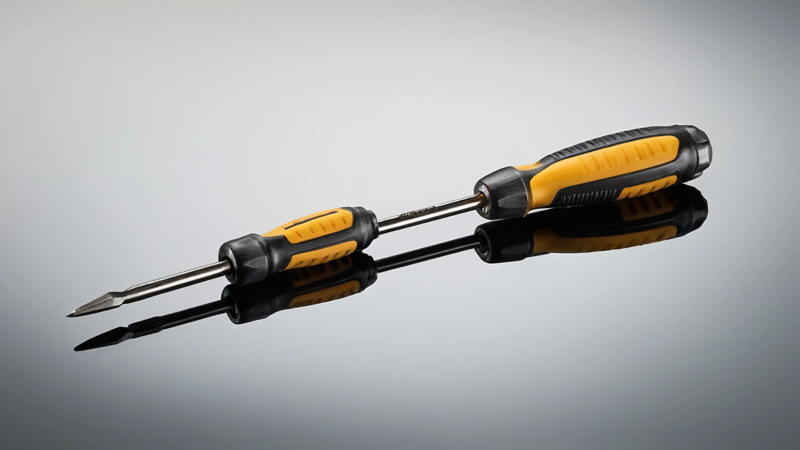
- Screwdrivers (for tip reshaping)
Knowing your tool type helps you choose the right sharpening method.
Understanding Sharpening Angles 📐
Sharpening isn’t just about rubbing metal on stone. The angle matters a lot.
A wrong angle can damage the tool or reduce its effectiveness.
Here’s a simple guide:
| Tool Type | Recommended Angle |
| Chisels | 25°–30° |
| Knives | 15°–20° |
| Axes | 30°–35° |
| Plane Blades | 25°–30° |
Keeping a consistent angle is key to a sharp edge.
Step-By-Step Guide To Sharpening Tools 🛠️
Let’s make sharpening simple and practical.
First, clean your tool. Dirt can damage the sharpening surface. Then choose the right sharpening stone.
Follow these steps:
- Soak the stone (if required)
- Hold the tool at the correct angle
- Move it across the stone evenly
- Repeat until a sharp edge forms
- Finish with honing
Take your time. Rushing leads to uneven edges.
How To Use A Whetstone Properly 💧
Whetstones are one of the best sharpening tools.
Start by soaking the stone in water for about 10–15 minutes. This reduces friction.
Place the stone on a flat surface. Hold your tool at the right angle and slide it across smoothly.
Use light pressure. Let the stone do the work.
Finish with a finer grit for a polished edge.
Sharpening With A File Or Grinder ⚙️
Some tools need heavier sharpening methods.
Files work well for axes and garden tools. Use steady strokes in one direction.
Grinding wheels are faster but require caution. Too much heat can damage the tool.
Always cool the tool with water while grinding.
Safety is important. Wear gloves and eye protection.
Honing Vs Sharpening Explained 🔍
Many people confuse honing with sharpening. They are not the same.
Sharpening removes material to create a new edge.
Honing refines and smooths the edge.
Think of sharpening as shaping and honing as polishing.
Both are important for a perfect finish.
Regular honing reduces how often you need sharpening.
Cleaning Your Hand Tools Regularly 🧼
Clean tools last longer. Dirt and rust can ruin them.
After each use, wipe your tools with a dry cloth. For sticky residue, use mild soap and water.
Dry them completely to prevent rust.
For extra protection, apply a light coat of oil.
A clean tool is always ready for the next job.
Preventing Rust And Corrosion 🛡️
Rust is the biggest enemy of metal tools.
Moisture causes rust quickly. So always store tools in a dry place.
Here’s how to protect them:
- Use silica gel packs in toolboxes
- Apply machine oil regularly
- Store tools off the ground
A little care goes a long way in preventing damage.
Proper Storage Techniques 📦
How you store your tools matters more than you think.
Avoid tossing tools into a box. This can damage edges.
Instead:
- Use tool racks or pegboards
- Store sharp tools with covers
- Keep tools separated
Organized storage makes tools easier to find and safer to use.
Lubrication Tips For Smooth Performance 🛢️
Lubrication keeps moving parts working smoothly.
Apply oil to hinges, joints, and blades. This reduces friction and wear.
Use light oils like machine oil or WD-40.
Don’t overdo it. Too much oil attracts dust.
A small amount keeps tools running like new.
Common Mistakes To Avoid ❌
Many people damage their tools without realizing it.
Avoid these mistakes:
- Using wrong sharpening angles
- Skipping cleaning
- Overheating tools during grinding
- Storing tools in damp areas
These errors can shorten tool life quickly.
Be mindful and consistent with your maintenance routine.
How Often Should You Sharpen Tools? ⏱️
There’s no fixed schedule. It depends on how often you use your tools.
Frequent use means more sharpening. Light use means less.
Here’s a simple guide:
| Usage Level | Sharpening Frequency |
| Daily Use | Weekly |
| Weekly Use | Monthly |
| Occasional Use | Every 3–6 Months |
Always check your tools before use.
Safety Tips While Sharpening ⚠️
Sharpening tools can be risky if done carelessly.
Always wear gloves to protect your hands. Use safety glasses to shield your eyes.
Work on a stable surface. Avoid distractions while sharpening.
Keep fingers away from sharp edges.
Safety should always come first.
Benefits Of Regular Tool Maintenance 🌟
Maintaining your tools isn’t just about keeping them sharp.
It improves performance, saves money, and increases safety.
Here’s what you gain:
- Longer tool lifespan
- Better work quality
- Reduced effort
- Fewer accidents
A well-maintained tool feels like a brand-new one every time you use it 😊
Simple Maintenance Checklist 📝
Keep things easy with a quick checklist:
- Clean after every use
- Dry tools completely
- Apply light oil
- Sharpen when needed
- Store properly
Following this routine keeps your tools in top shape.
Conclusion
Taking care of your hand tools is simple but powerful. Sharp tools make your work easier, faster, and safer. Regular cleaning, proper sharpening, and smart storage can extend tool life for years.
When you build a habit of maintaining your tools, you also improve your skills and results. Start small, stay consistent, and your tools will always be ready when you need them.
FAQs
How to sharpen hand tools at home easily?
Use a whetstone or file depending on the tool type. Keep a steady angle and use smooth strokes. Finish with honing for a clean edge.
What is the best way to maintain hand tools?
Clean tools after each use and keep them dry. Apply light oil to prevent rust. Store them properly in a dry place.
How often should I sharpen my tools?
It depends on usage frequency. Heavy use needs weekly sharpening. Occasional use may only need sharpening every few months.
Can rusted tools be restored fully?
Yes, mild rust can be removed with sandpaper or vinegar. Severe rust may need grinding. After cleaning, apply oil to prevent future rust.
Why do my tools get dull quickly?
Using wrong angles or poor materials can dull tools faster. Lack of maintenance also plays a role. Regular honing helps maintain sharpness longer.


Leave a Reply