


Top 10 must-have tools for your toolbox that cover repairs, DIY, and home projects with ease and confidence.
Top 10 must-have tools for your toolbox include basic hand tools that help with repairs, assembly, and everyday fixes. A smart toolbox saves time, reduces stress, and keeps you ready for quick home projects, DIY tasks, and emergencies without calling for help every time.
Ever started a small home project and realized you were missing the one tool you needed? 😬 It’s frustrating, right? A well-built toolbox fixes that problem fast. You don’t need fancy gadgets. You need the right basics that actually get the job done.
The main goal here is simple. Help you build a reliable, practical toolbox that works for most jobs. Whether you’re fixing a loose screw, hanging shelves, or doing weekend DIY, these tools matter. Let’s break them down one by one.
Hammer – The Everyday Fixer 🔨
A hammer is the backbone of any toolbox. It helps drive nails, remove them, and handle light demolition. Most homeowners use it more often than they expect.
A claw hammer is the best choice for beginners. It balances weight and control well. The curved claw pulls nails easily without damaging surfaces.
Look for a comfortable grip. A rubber or fiberglass handle reduces shock. This keeps your hands safe during longer tasks 👍.
Screwdriver Set – Small Tool, Big Impact 🪛
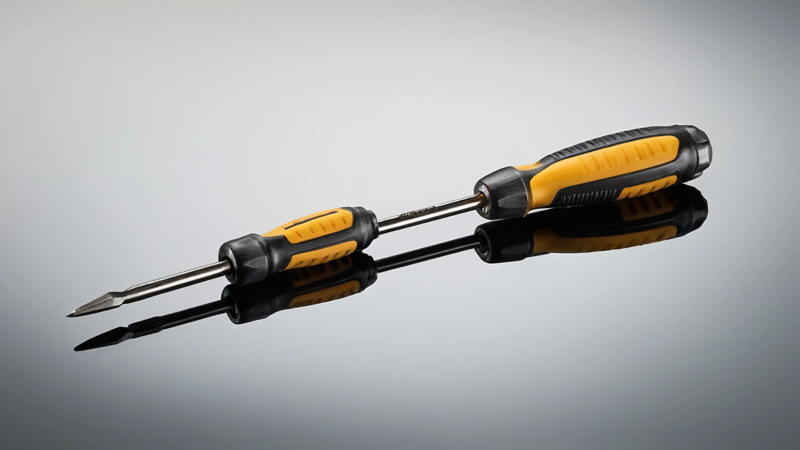
Loose screws are everywhere. Furniture, cabinets, electronics, and doors all depend on them. A screwdriver set saves time and prevents damage.
You need both flathead and Phillips screwdrivers. Different sizes matter more than you think. Using the wrong size can strip screws fast.
Magnetic tips help hold screws in place. This small feature makes work easier, especially in tight spots.
Adjustable Wrench – One Tool, Many Sizes 🔧
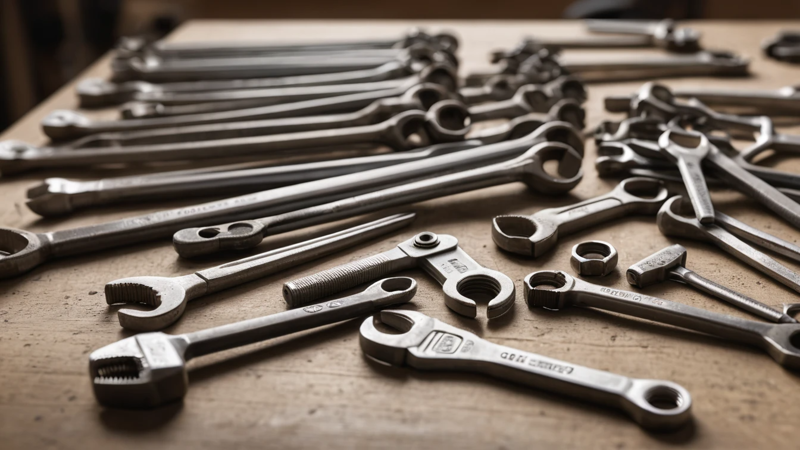
An adjustable wrench replaces several fixed-size wrenches. It tightens nuts and bolts of different sizes. This makes it perfect for plumbing and appliances.
The sliding jaw should move smoothly. A stiff wrench causes frustration and poor grip. Quality matters here.
Use it gently. Over-tightening can damage bolts. Controlled pressure keeps things secure and safe.
Tape Measure – Measure Twice, Fix Once 📏
Accurate measurements prevent costly mistakes. A tape measure helps with furniture spacing, wall art, and DIY builds.
Choose one at least 25 feet long. This covers most home projects easily. Clear markings improve reading speed.
Locking mechanisms help hold measurements steady. This feature is a real time-saver during solo projects.
Quick Tool Comparison Table
| Tool | Best Use | Skill Level |
| Hammer | Nails and light demo | Beginner |
| Screwdriver Set | Assembly and repairs | Beginner |
| Adjustable Wrench | Nuts and bolts | Beginner |
| Tape Measure | Accurate sizing | Beginner |
Pliers – Grip, Bend, And Cut ✂️
Pliers are incredibly versatile. They grip, twist, bend, and cut wires with ease. Many quick fixes depend on them.
Needle-nose pliers reach tight spaces. Slip-joint pliers handle larger objects. Having both is ideal.
Look for insulated handles. They improve comfort and add safety when working near wires.
Utility Knife – Sharp And Reliable 🔪
A utility knife handles cutting tasks fast. Cardboard, plastic, drywall, and carpet are no match for it.
Retractable blades improve safety. You can store it without worrying about cuts. Replaceable blades keep it sharp.
Always cut away from your body. A sharp blade with safe technique prevents accidents.
Level – Keep Everything Straight 📐
Crooked shelves and frames ruin the look of a room. A level fixes that problem instantly.
A 9-inch or 12-inch level works for most tasks. Bubble indicators show balance clearly.
Use it every time you hang something. Straight lines make projects look professional ✨.
Cordless Drill – Power Meets Precision ⚡
A cordless drill changes everything. It drills holes and drives screws quickly. DIY projects become faster and cleaner.
Choose one with adjustable torque settings. This prevents over-driving screws. Batteries should charge quickly.
This tool saves effort and time. Once you own one, you’ll wonder how you lived without it.
Drill Feature Comparison Table
| Feature | Why It Matters |
| Adjustable Torque | Prevents damage |
| Rechargeable Battery | Portable power |
| Multiple Bits | Versatile use |
Stud Finder – Safe And Smart 🧱
A stud finder helps locate wall studs. This keeps shelves and TVs secure. It also prevents drilling into wires.
Basic models work well for beginners. They detect wood and metal behind walls.
Always double-check readings. A quick scan avoids costly repairs later.
Safety Gear – Protect Yourself First 🧤
Safety tools are often ignored. That’s a mistake. Gloves, goggles, and masks protect you from injuries.
Gloves improve grip and reduce cuts. Goggles protect your eyes from debris. Masks help during sanding.
Safety isn’t optional. It’s part of every smart toolbox.
Tool Storage – Stay Organized 📦
Tools last longer when stored properly. A toolbox or organizer keeps everything in place.
Choose one with compartments. This prevents clutter and saves time searching.
Portability matters. A sturdy handle helps move tools easily around the house.
Storage Options Table
| Storage Type | Best For |
| Portable Toolbox | Home use |
| Tool Bag | Quick repairs |
| Wall Organizer | Garage setups |
How To Choose The Right Tools 🧠
Not all tools are equal. Cheap tools break fast. Quality tools last years.
Focus on comfort, durability, and warranty. Read reviews before buying. Test grips when possible.
Buy tools as needed. Start small and build over time. This saves money 💰.
Beginner Mistakes To Avoid 🚫
Many beginners buy too many tools. That wastes space and money.
Avoid oversized tools. They are harder to control. Stick to standard sizes first.
Skipping safety gear is another mistake. Protection should always come first.
Budget Vs Premium Tools 💵
Budget tools work for light tasks. Premium tools handle frequent use better.
If you’re a homeowner, mid-range tools are ideal. They balance cost and quality.
Invest in tools you use often. Save on rarely used items.
Maintaining Your Toolbox 🧼
Clean tools after use. Dirt causes rust and wear.
Store tools in dry places. Moisture damages metal fast.
Sharpen blades regularly. Well-maintained tools perform better and last longer.
Why Every Home Needs These Tools 🏡
Emergencies happen. A toolbox prepares you for them.
You save money by fixing small issues yourself. It also builds confidence.
These tools cover most household needs. Simple, effective, and reliable.
Conclusion
A smart toolbox doesn’t need dozens of items. It needs the right tools that work every time. These top 10 must-have tools cover repairs, DIY projects, and everyday fixes. Start with the basics, focus on quality, and build confidence one tool at a time 🔧.
FAQs
What tools should every homeowner have?
Every homeowner needs a hammer, screwdriver set, wrench, tape measure, and drill. These tools handle most home repairs. They save time and money.
What is the most important tool in a toolbox?
A hammer is often the most used tool. It handles nails, minor repairs, and quick fixes. It’s simple and effective.
How many tools does a beginner need?
Beginners only need 8–10 basic tools. Start small and add tools as needed. This avoids clutter.
Are expensive tools worth buying?
Expensive tools last longer and work better. For frequent use, they are worth it. For rare tasks, budget tools are fine.
How do I organize my toolbox efficiently?
Use compartments and labels. Keep frequently used tools on top. Clean and reorganize regularly.

Leave a Reply